
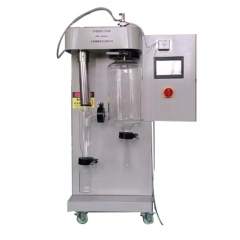
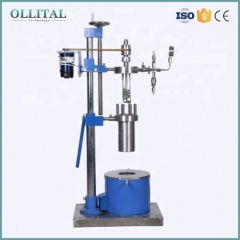
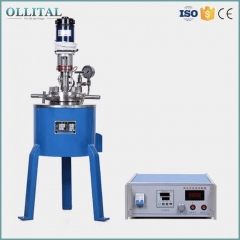
High quality 1.5L scale lab spray dryer equipment
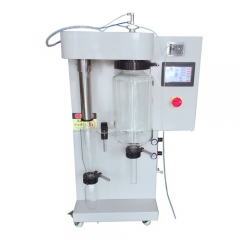
Lab scale spray dryer is suitable for the production of in universities, research institutes and food and pharmaceutical chemical enterprises.


From the First Order to Bulk Purchases: A Turkish Customer’s Three-Year Partnership with OLLITAL Some business relationships begin with a single order
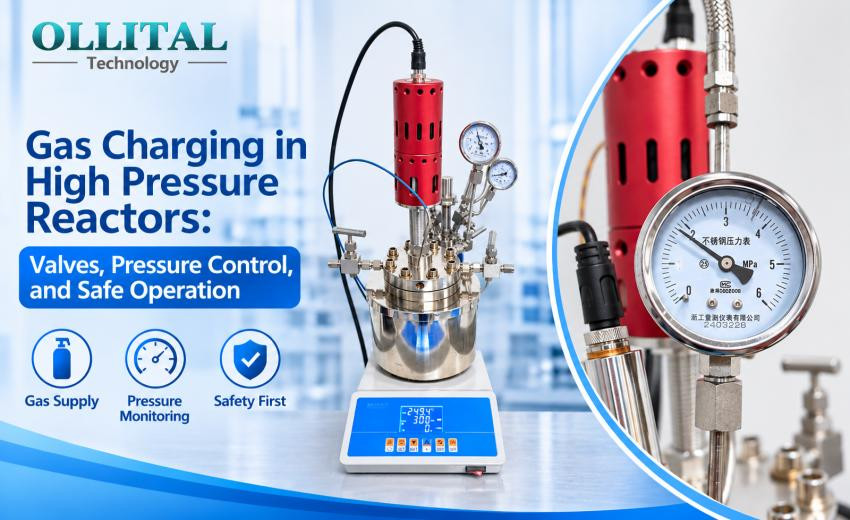
Gas Charging in High Pressure Reactors: Valves, Pressure Control, and Safe Operation Gas charging is an important operation in many laboratory and ind

Dry Ice Machine: Types, Applications, Working Principles, and How to Choose the Right Equipment Dry ice is widely used in industrial cleaning, food pr

How to Choose a Laboratory Internal Mixer: Chamber Volume, Batch Size, and Rotor Speed Choosing a laboratory internal mixer involves more than selecti
Gas charging is an important operation in many laboratory and industrial reactions. In a high pressure reactor, gases such as hydrogen, nitrogen, oxygen, or other process gases may be introduced to create the conditions required for a chemical reaction.
However, gas charging is not simply a matter of connecting a gas cylinder and opening a valve. The process involves several components that work together to regulate gas delivery, monitor internal pressure, prevent reverse flow, and protect the reactor system.
Understanding how these components function helps users select an appropriate reactor configuration and operate it according to the requirements of the experiment.
Many chemical reactions require a gas to participate as a reactant, establish a specific reaction atmosphere, or maintain pressure inside the vessel.
For example, hydrogen is commonly used in catalytic hydrogenation, while nitrogen may be introduced to establish an inert atmosphere. Other reactions may require gases with specific chemical properties or operating conditions.
In these applications, the reactor must provide a controlled environment in which the gas can be introduced and the reaction can proceed.
The gas charging process generally involves three main functions:
·Gas supply: Delivering gas from a cylinder or another suitable source.
·Pressure regulation: Controlling the pressure and gas flow entering the reactor.
·Pressure monitoring and protection: Monitoring the vessel pressure and providing appropriate protection against overpressure.
The exact configuration depends on the gas, reaction conditions, reactor design, and required operating procedure.
A gas charging system consists of several connected components. Each has a different function, and the pressure rating and compatibility of the complete assembly must be considered.
The gas cylinder provides the gas required for the reaction. Since the pressure supplied by a cylinder may be higher than the intended reactor operating pressure, a suitable pressure regulator is normally used between the gas source and the reactor.
The regulator reduces and controls the downstream gas pressure. Its selection must consider the gas type, supply conditions, required outlet pressure, connection standards, and material compatibility.
A regulator designed for one gas should not automatically be assumed suitable for another. This is particularly important for reactive or oxidizing gases.
The gas inlet valve controls the connection between the gas supply line and the reactor vessel.
It allows the operator to admit gas into the vessel or isolate the gas supply when charging is complete.
The valve must be compatible with the gas and suitable for the pressure and temperature conditions of the system. Its connection type and sealing materials should also match the reactor configuration.
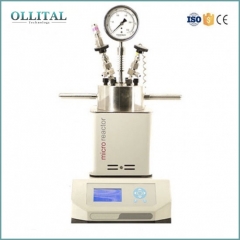
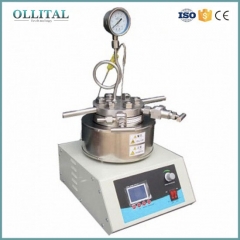
A pressure gauge provides a direct indication of the pressure inside the reactor. A pressure transmitter can provide an electrical signal for display, recording, or integration with a control system.
These instruments help operators monitor pressure during gas charging and reaction operation.
The measurement range, accuracy, connection, and compatibility of the instrument should be selected according to the actual operating conditions. The pressure rating of the instrument and its connections must also be appropriate for the system.
A check valve is designed to allow flow in one direction and prevent reverse flow.
In a gas charging line, it can help prevent material from flowing back toward the gas supply if the pressure relationship changes.
Whether a check valve is required depends on the system design, gas source, and potential reverse-flow hazards. It should not be treated as a substitute for proper isolation valves or a correctly designed gas supply system.
The exhaust valve provides a controlled path for releasing gas from the reactor when the process requires depressurization.
It may also be used in specific purging procedures, depending on the reactor configuration.
The discharged gas must be handled according to its properties. Toxic, flammable, corrosive, or otherwise hazardous gases should not be released directly into an occupied laboratory.
A pressure relief device provides protection against excessive pressure.
Common arrangements include a safety relief valve or a rupture disc. These devices operate differently, and the appropriate choice depends on the reactor design, process conditions, and potential overpressure scenarios.
The relief device must be properly selected and installed as part of the complete pressure system. Its discharge path must also be considered, especially when hazardous gases or reaction materials may be released.
A pressure relief device does not replace pressure monitoring, operating procedures, or the need to remain within the reactor's specified working limits.
Although the detailed procedure varies between reactor models, gas charging generally follows a sequence of preparation, connection, pressurization, and isolation.
Before introducing gas, confirm that the reactor is suitable for the intended gas and reaction conditions.
Check the vessel, seals, valves, pressure instruments, gas lines, and connections. The gas supply and regulator must also be suitable for the specific gas being used.
The reactor's maximum working pressure and temperature should be confirmed from its documentation. The operating conditions must remain within the limits of the complete assembled system, including its weakest pressure-containing component.
Connect the gas cylinder to the reactor through an appropriate pressure regulator and compatible gas line.
The connections must be suitable for the gas service and pressure conditions. Before operation, verify that the system has been assembled according to the relevant equipment instructions.
Leak testing should follow an approved procedure appropriate for the gas and system. A method suitable for one gas may not be suitable for another.
Once the system has been checked, gas can be admitted through the inlet line according to the reactor manufacturer's operating procedure.
The pressure regulator controls the gas supply, while the reactor pressure gauge or transmitter provides information about the pressure inside the vessel.
Gas should be introduced in a controlled manner. Operators should monitor the pressure throughout the process and avoid exceeding the specified working limit.
When the required charging condition has been reached, isolate the gas supply and close the reactor inlet valve according to the equipment procedure.
The gas line should be handled and disconnected only when it is safe to do so. Trapped pressure in the connecting line must be considered before loosening any fitting.
After charging, the reactor pressure may change during the reaction.
Pressure can be affected by temperature changes, gas consumption, gas generation, vapor formation, and other reaction-related factors.
For this reason, reaching the intended pressure during charging does not necessarily mean that the pressure will remain constant throughout the experiment.
Continuous or periodic monitoring should be selected according to the reaction characteristics and the reactor control configuration.
Pressure control is influenced by more than the setting of the gas regulator. Several factors should be considered when designing or selecting a reactor system.
The gas supply must provide sufficient pressure to introduce gas into the reactor under the intended operating conditions.
If the pressure relationship between the gas source and the reactor is unsuitable, gas delivery may become unstable or stop. A properly selected regulator and suitable line configuration are therefore important.
The regulator, inlet valve, connecting line, and other components all influence gas delivery.
A system designed for intermittent gas charging may differ from one intended for continuous gas feeding. The required configuration depends on whether the reaction needs an initial gas charge or a maintained gas supply during operation.
Temperature can have a significant effect on pressure inside a closed reactor.
For a gas-containing system, heating may increase internal pressure. In addition, liquid evaporation, gas generation, and reaction behavior can further affect the pressure.
Therefore, when operating a high temperature and high pressure reactor, both pressure and temperature limits must be considered together.
Some reactions consume gas as the reaction proceeds, while others generate gaseous products.
For example, a hydrogenation reaction may consume hydrogen. In other processes, gas may be produced as a reaction by-product.
These changes can cause the reactor pressure to decrease or increase during operation. The appropriate pressure monitoring and control strategy should reflect the reaction mechanism and process requirements.
Gas charging involves compressed gas and pressurized equipment. Incorrect connections, unsuitable components, or uncontrolled pressure changes can create serious hazards.
The following considerations should be included in the operating procedure.
Always check the reactor's documented maximum working pressure and temperature before operation.
The allowable conditions of the complete assembly must also be considered. A regulator, valve, hose, fitting, gauge, or other component with an unsuitable rating can limit the safe operating conditions of the system.
Different gases have different chemical properties.
Hydrogen, oxygen, corrosive gases, and inert gases may require different materials, seals, regulators, and connection arrangements.
For example, oxygen service requires particular attention to cleanliness and material compatibility because contamination and unsuitable components can create fire hazards.
Component selection should therefore be based on the actual gas service rather than pressure rating alone.
If the pressure on the reactor side becomes higher than the pressure on the supply side, reverse flow may occur in an inadequately protected system.
A suitable check valve or other engineered isolation arrangement may be required, depending on the system design.
The possibility of liquid or reaction material entering the gas supply line should also be considered.
Avoid Uncontrolled Pressurization
Gas should be introduced according to the manufacturer's instructions and the approved operating procedure.
Rapid pressurization can create additional hazards. This is especially important for oxygen systems, where rapid compression and contamination can contribute to ignition risks.
Pressure should be monitored during charging, and the operator should not rely solely on the regulator setting as an indication of reactor pressure.
Ensure Safe Gas Venting
Before opening the reactor or disconnecting pressure-containing components, the vessel must be depressurized according to the approved procedure.
The venting route must be suitable for the gas being released. Hazardous gases may require extraction, treatment, or another engineered disposal arrangement.
The reactor should not be opened until the pressure condition has been verified as safe.
When selecting a lab reactor, it is important to consider the entire gas charging and pressure control system rather than evaluating the reaction vessel alone.
The following questions help define the required configuration:
The gas type determines the requirements for regulators, valves, seals, tubing, and other wetted components.
The intended operating conditions must be checked against the documented limits of the reactor and all connected components.
An initial gas charge may require a different configuration from continuous gas feeding. This distinction affects the gas inlet arrangement and pressure control requirements.
Some experiments only require pressure indication, while others may need pressure transmitters or integration with a control system.
Sampling valves, exhaust arrangements, and pressure relief devices should be considered according to the experimental procedure and safety assessment.
There is no single configuration suitable for every gas-based reaction. The reactor should be selected according to the actual gas, reaction conditions, and operating requirements. When comparing different high pressure laboratory autoclaves, users should also evaluate the gas inlet arrangement, pressure monitoring instruments, sealing materials, and available safety features.
Depending on the experimental scale and reaction requirements, laboratory systems may range from compact laboratory mini reactors to larger laboratory high-pressure vessels.Laboratory high pressure reactors can be configured for different reaction requirements.
For example, catalytic hydrogenation may require a gas inlet, pressure monitoring, and a suitable gas supply arrangement. Hydrothermal reactions have different requirements, while polymerization or other gas-involved reactions may require additional control or sampling functions.
Depending on the application, a reactor may be equipped with:
·Gas inlet and outlet connections
·Pressure gauges or pressure transmitters
·Suitable gas regulators and connecting lines
·Magnetic or mechanical stirring systems
·Temperature measurement and control
·Sampling arrangements
·Pressure relief protection
The final configuration should be determined by the actual process requirements and the reactor's engineering design.
Gas charging is an essential part of many high pressure reactor applications. A reliable system depends on the coordinated operation of the gas supply, pressure regulator, inlet valve, pressure instruments, and appropriate safety devices.
When selecting a high pressure reactor, users should consider not only the required reaction pressure but also the gas type, temperature conditions, charging method, pressure monitoring requirements, and safe venting arrangement.
A properly configured reactor system helps provide the conditions required for laboratory experiments while supporting controlled and safe operation.
Looking for a laboratory high pressure reactor for hydrogenation, hydrothermal synthesis, or other gas-based reactions? Contact Ollital with your gas type, required pressure and temperature, vessel capacity, and reaction details. We can help identify a suitable reactor configuration based on your application.
It depends on the reactor configuration and gas supply system. If the reaction consumes or generates gas, the pressure may change during operation. Maintaining a target pressure may require a suitable gas supply and pressure control arrangement.
Initial gas charging introduces gas into the reactor before the reaction begins. Continuous gas feeding supplies gas during the reaction to compensate for gas consumption or maintain the required process conditions. The two methods require different system configurations.
In a sealed reactor, heating can increase the pressure of the gas inside the vessel. Vaporization of liquid and gas generation during the reaction may also contribute. Therefore, both temperature and pressure limits must be considered when selecting operating conditions.
Not necessarily. Different gases have different chemical properties and compatibility requirements. The regulator, seals, connections, and other gas-contact components must be suitable for the specific gas being used.
Provide the gas type, required working pressure and temperature, reactor capacity, whether gas is charged before the reaction or continuously supplied, and whether constant-pressure control or sampling is required. These details help determine the appropriate reactor and gas charging configuration.



 online service
 +86 15960821529
 kevin@ollital.comkevinollital@gmail.com
 +86 15960821529
 +8615960821529


