
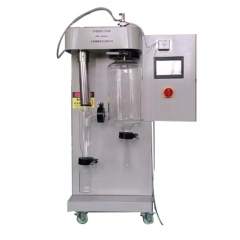
High quality 1.5L scale lab spray dryer equipment
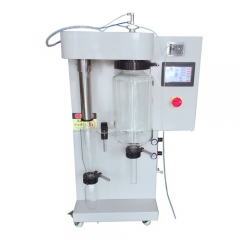
Lab scale spray dryer is suitable for the production of in universities, research institutes and food and pharmaceutical chemical enterprises.
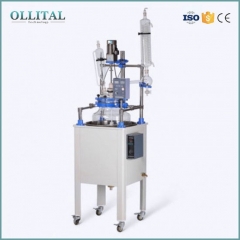
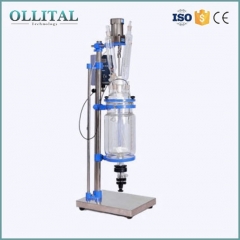
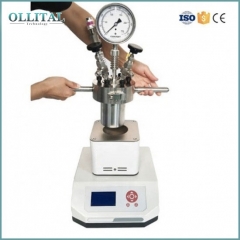

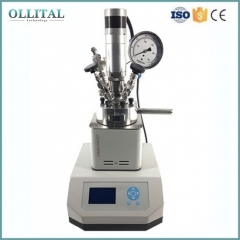
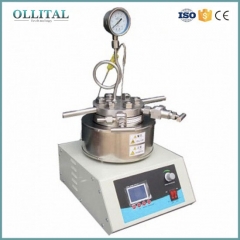
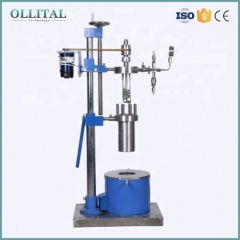
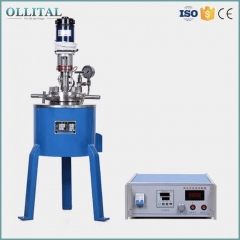
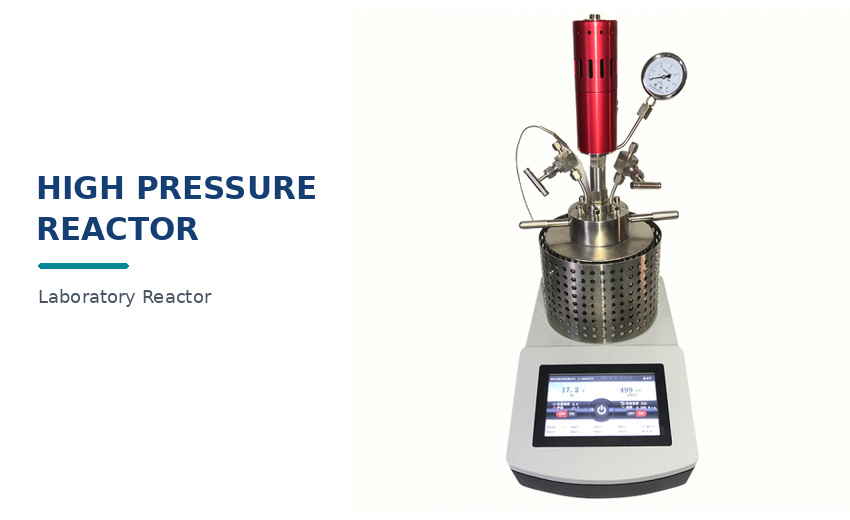
Choosing a high pressure reactor involves more than deciding the required vessel volume, working pressure, and temperature. The material in contact wi
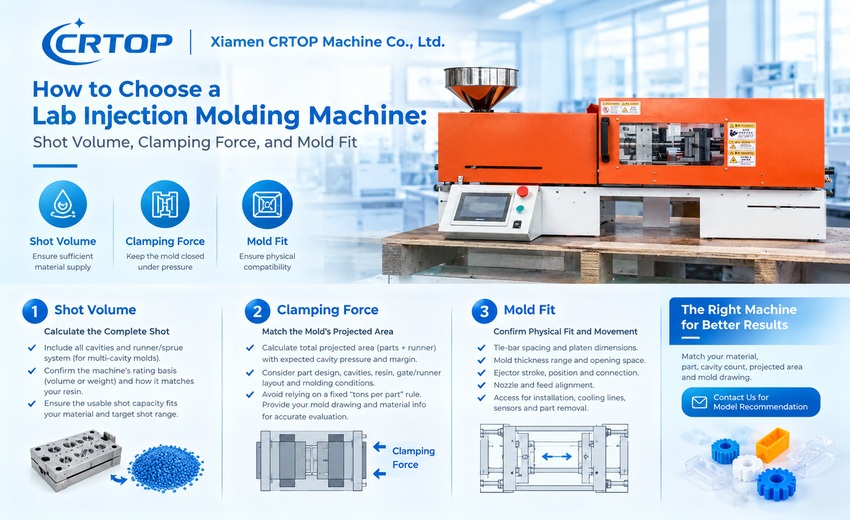
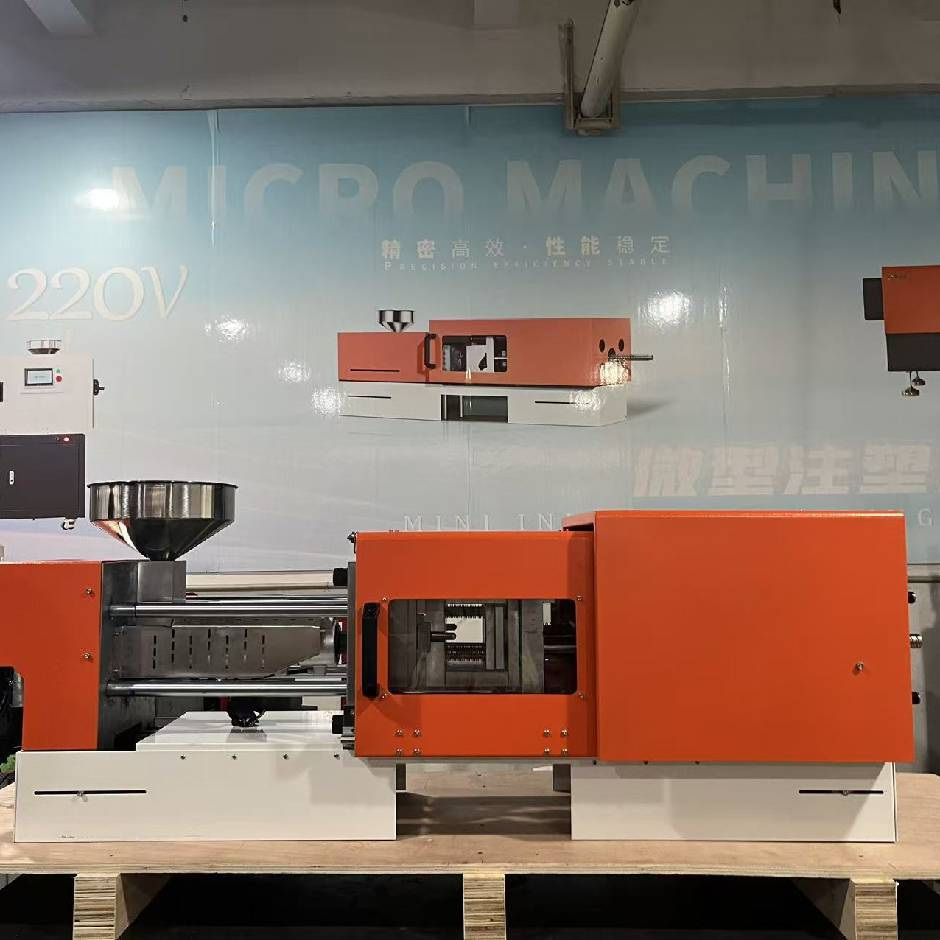
Choosing a laboratory desktop injection molding machine requires more than matching a machine’s clamping tonnage to the size of a plastic part. The in
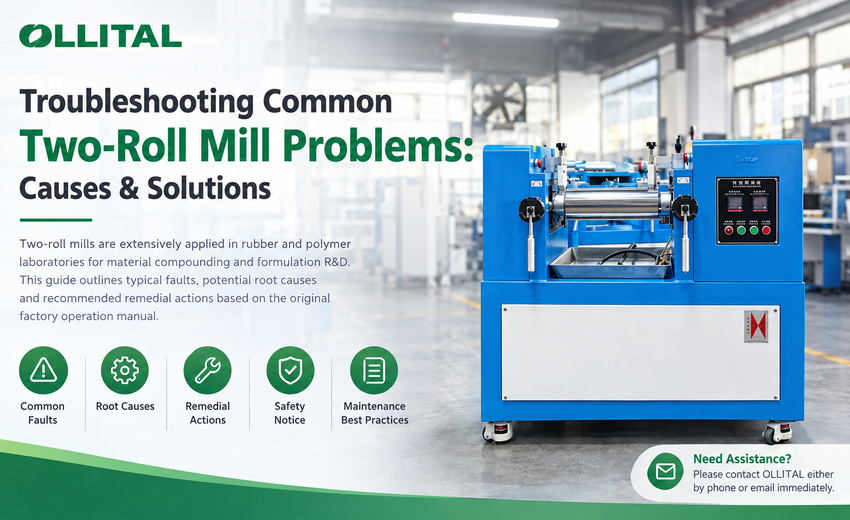
Two-roll mills are extensively applied in rubber and polymer laboratories for material compounding and formulation R&D. During daily operation, el
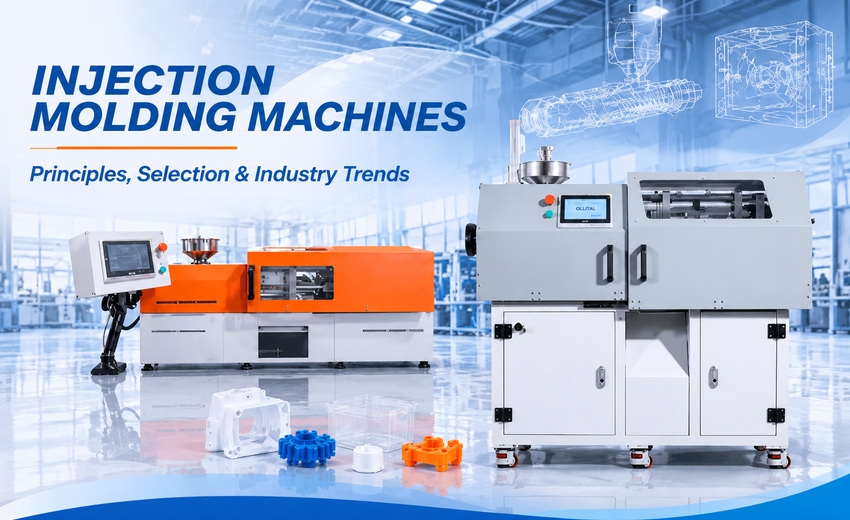
Injection molding machines are a widely used type of industrial equipment in the production of plastic products. They function primarily by heating an
Shot volume is the amount of melt injected during one molding cycle. Estimate the total required shot from all cavities and the runner or sprue system, where applicable. For multi-cavity molds, do not calculate from one part alone.
Machine brochures may express injection capacity as volume or as shot weight based on a reference resin. Confirm the rating basis and ask how it translates to the actual polymer you plan to process. Resin density, melt behavior, part geometry, and the runner design all affect the required shot.
A machine with too little usable shot capacity may not fill the mold consistently. A unit that is much larger than the experimental shot may also be a poor match for very small samples. Ask the supplier to confirm the recommended working range for your material and target shot, rather than selecting from the maximum figure alone.
Clamping force holds the two mold halves together against the force generated by plastic melt inside the cavity. A useful starting point is the total projected area of the molded parts and runner system on the parting plane, considered together with the expected cavity pressure and an appropriate engineering margin.
The required force depends on the part design, number of cavities, resin, gate and runner layout, and molding conditions. A low clamping force can allow the mold to separate and cause flash. Choosing a much larger machine does not automatically improve part quality and may add cost and take up more laboratory space.
Do not rely on a universal “tons per part” rule. Provide the mold drawing and material information to the machine or mold supplier, and ask them to verify the required clamping force for the intended process.
The mold envelope covers the mold’s external dimensions and the space and movement it needs inside the clamping unit. Check more than mold width and height. Before ordering, confirm:
Tie-bar spacing and platen dimensions: the mold must fit between the tie bars and mount securely on the platens.
Mold thickness range and opening space: the closed mold must fit the machine’s permitted mold-height range, and the opening stroke/daylight must allow the part to be removed.
Ejector compatibility: check ejector stroke, position, and connection requirements.
Nozzle and feed alignment: confirm that the machine nozzle, sprue bush, and mold inlet are compatible.
Also consider access for mold installation, cooling lines, sensors, and any planned manual or automated part removal. A mold that fits between the tie bars can still be incompatible if its thickness, opening requirement, ejection system, or feed arrangement does not match the machine.
The right laboratory injection molding machine must satisfy all three requirements: enough usable shot capacity, suitable clamping force, and a mold envelope compatible with the machine’s platens and movements. Confirm them against the actual resin, part and mold—not just the machine’s model name or tonnage.
Explore the OLLITAL injection molding machine range. For a model recommendation, send the material, part weight, cavity count, projected area, and mold drawing through the OLLITAL contact page so the configuration can be reviewed against your application.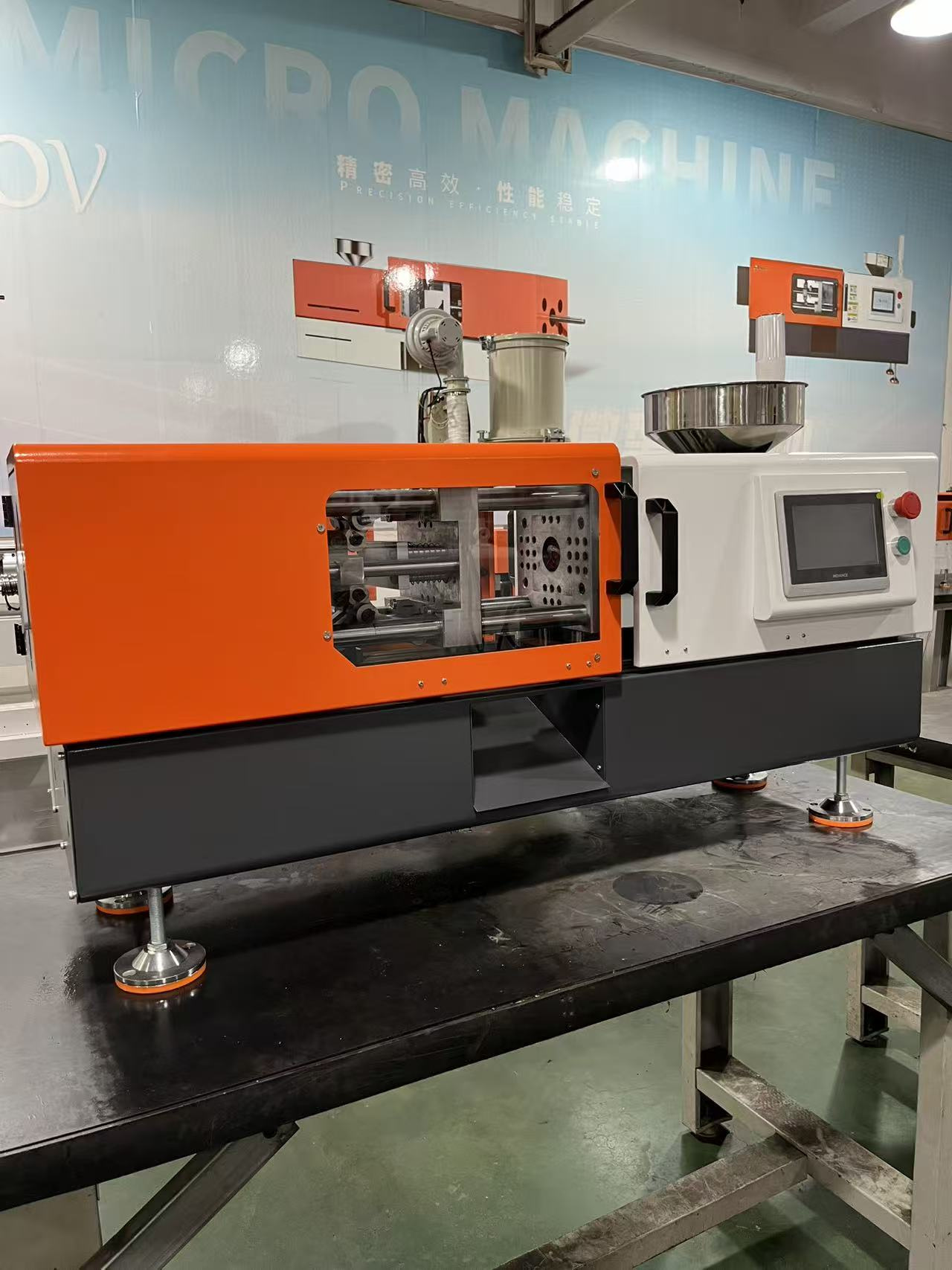



 online service
 +86 15960821529
 kevin@ollital.comkevinollital@gmail.com
 +86 15960821529
 +8615960821529


