

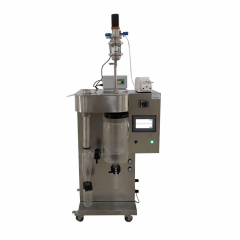
High quality 1.5L scale lab spray dryer equipment
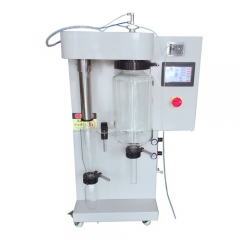
Lab scale spray dryer is suitable for the production of in universities, research institutes and food and pharmaceutical chemical enterprises.









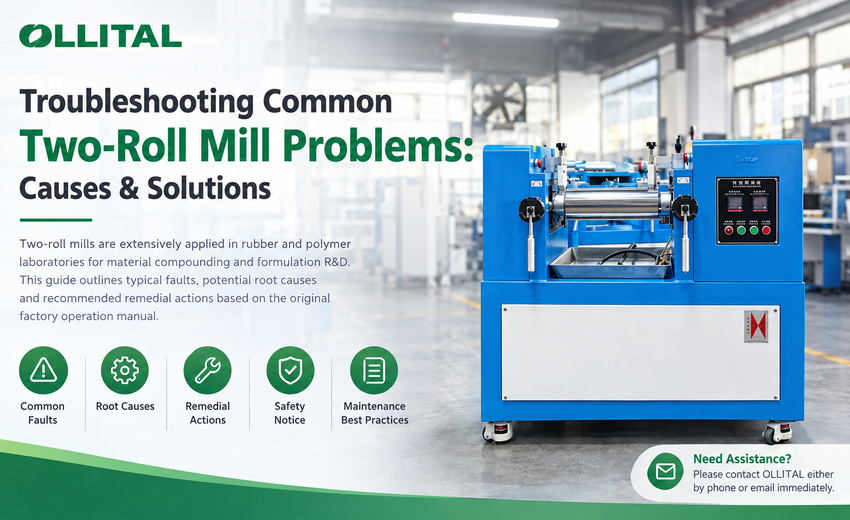
Two-roll mills are extensively applied in rubber and polymer laboratories for material compounding and formulation R&D. During daily operation, el

Injection molding machines are a widely used type of industrial equipment in the production of plastic products. They function primarily by heating an

A liquid formulation can behave very differently after it becomes a powder. Solvent removal may change particle morphology, powder flowability, physic
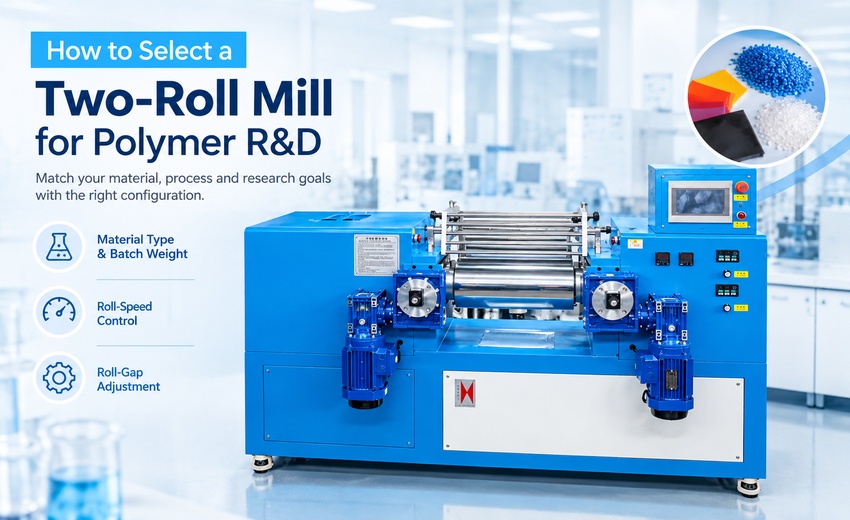
Selecting the right two-roll mill is essential for efficient and reliable polymer research and development. Different materials and experimental requi
In the formulation development and sample preparation of rubber, silicone rubber, and other advanced polymer materials, the laboratory vulcanizing press machine is an essential thermal compression molding machine. With precise control of temperature, pressure, and vulcanization time, it provides stable and repeatable conditions for material performance testing, sample preparation, and process validation.
The machine combines hydraulic pressure with electrically heated platens to provide a controlled molding process. Uncured rubber compounds are placed into a mold and positioned between the upper and lower heated platens. Materials such as rubber sheets and tapes can also be processed directly between the platens without a mold. During operation, the hydraulic system drives the piston and moving platform upward, closing the platens and applying pressure to the mold or workpiece.
At the same time, the heated platens provide the temperature required for vulcanization. During the preset vulcanization cycle, the material is exposed to controlled heat and stable pressure. Once the cycle is completed, the hydraulic cylinder releases the pressure and the platens separate automatically, allowing the operator to remove the finished specimen.
Heat plays a key role in the vulcanization process by promoting cross-linking between the long molecular chains within the rubber. The linear chains gradually form a stable three-dimensional network structure, giving the vulcanized material improved elasticity, wear resistance, tensile strength, and other physical and mechanical properties.
Pressure is equally important for achieving consistent molding quality. As the rubber compound softens under heat, stable hydraulic pressure helps the material fully fill the mold cavity, reducing internal gaps and minimizing defects such as bubbles, voids, insufficient filling, and flash. For rubber-fabric composite materials, pressure also helps improve the bonding between the rubber and fabric substrate, reducing the risk of delamination.
Suitable for rubber, solid silicone rubber, EVA, TPE, TPU, and other polymer materials, the lab flat vulcanizing machine is widely used in universities, research laboratories, new material R&D facilities, and quality-control departments of rubber and plastics manufacturers. It provides a reliable solution for formulation experiments, standard test specimen preparation, process verification, and small-batch prototype production.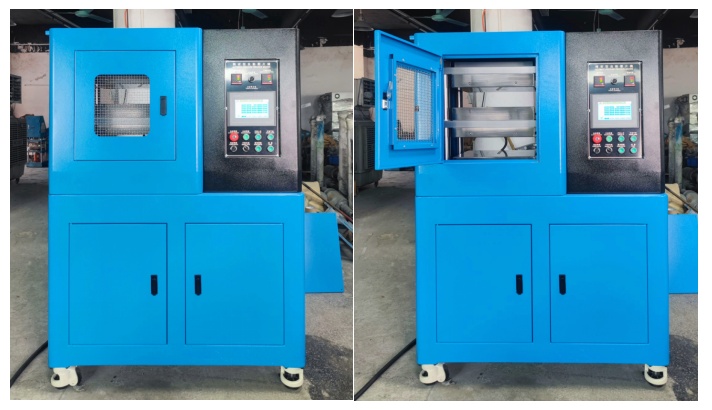



 online service
 +86 15960821529
 kevin@ollital.comkevinollital@gmail.com
 +86 15960821529
 +8615960821529


