
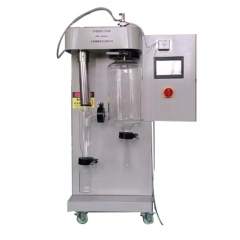
High quality 1.5L scale lab spray dryer equipment
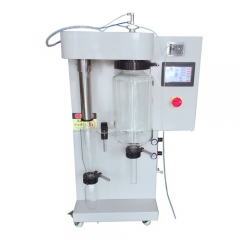
Lab scale spray dryer is suitable for the production of in universities, research institutes and food and pharmaceutical chemical enterprises.
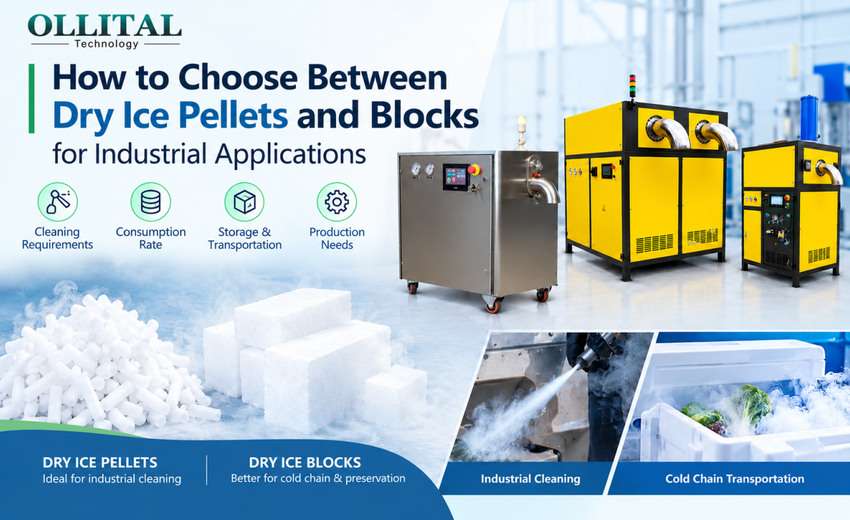
Dry ice is widely used in industrial cleaning, cold chain transportation, food preservation, and other temperature-sensitive applications. However, ch
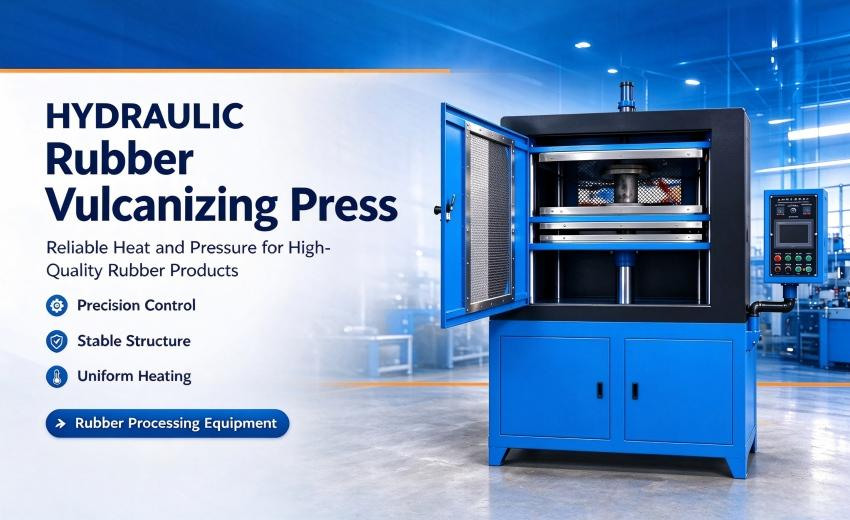
A closer look at the working principle,key componeents and typical applications of the flat vulcanizing machine. If you work with rubber products,you'
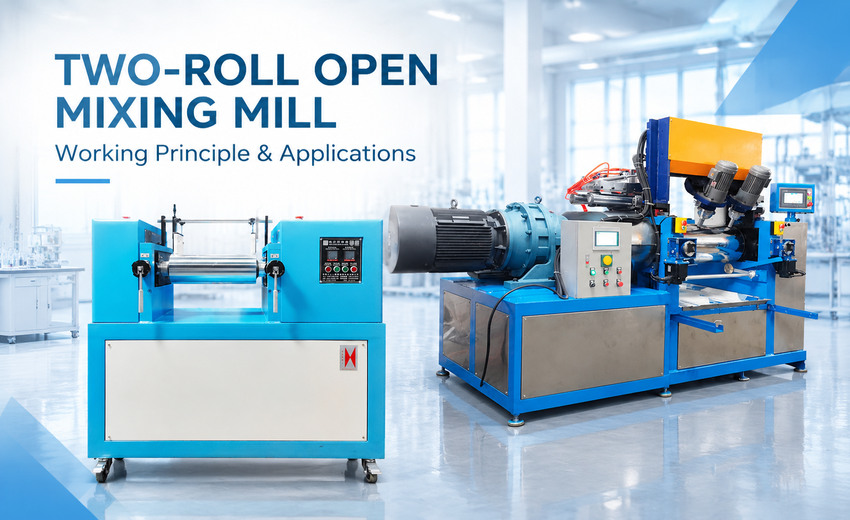
Open-roll mill (also known as an open two-roll mill or rubber mixing mill) is a primary piece of equipment used in rubber and plastic processing. It c
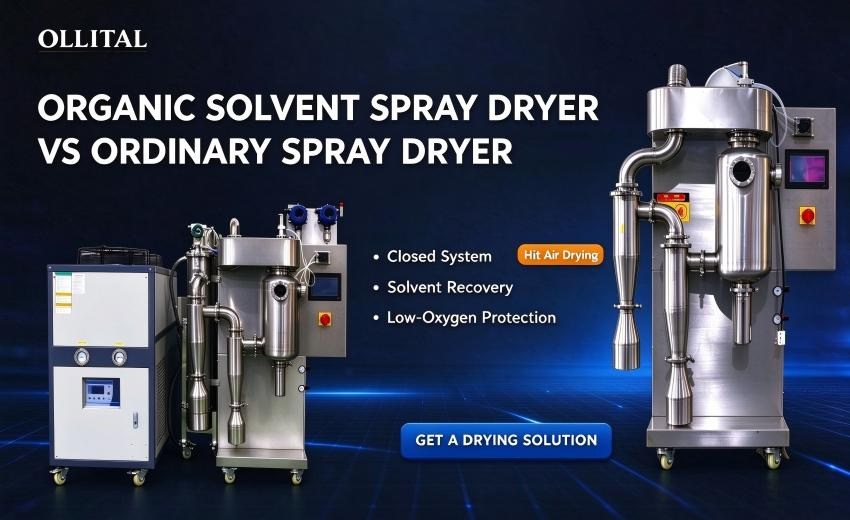
When shopping for a spray dryer machine, it is easy to focus on evaporation capacity, inlet temperature, and final powder quality. But there is anothe
In scientific research and industrial applications, the precise measurement of heat changes is a key link in many experiments, especially in the fields of chemical reactions, material transformation, materials science, etc. As a precision instrument specifically used to measure heat changes, the calorimeter has become an indispensable tool in modern laboratories and production lines. Through the calorimeter, researchers can accurately track the energy changes in the reaction and analyze the thermodynamic properties of the substance, thereby providing accurate data for various studies.
Functions and advantages of calorimeter
High-precision heat measurement The primary feature of the calorimeter is the ability to accurately measure heat changes, whether it is an endothermic reaction or an exothermic reaction. Through precise heat sensors, the calorimeter can monitor every subtle temperature change during the experiment and provide researchers with reliable thermal analysis data.
Wide range of applications Calorimeters can play a role in different fields. Whether it is the thermal analysis of chemical reactions or the thermal stability test of materials, the calorimeter can provide detailed data support. It is widely used in:
Chemical reaction research
Development of new materials
Environmental monitoring
Drug preparation and food analysis
Research in the oil and energy industry
Various thermal analysis techniques Modern calorimeters can be used not only for common differential scanning calorimetry (DSC), but also for various thermal analysis methods such as thermogravimetric analysis (TGA) and thermomechanical analysis (TMA). According to specific needs, calorimeters can help researchers study the thermal properties of samples from multiple dimensions, including reaction heat, specific heat capacity, phase change temperature, etc.
Precise control and automation High-end calorimeters are equipped with PID intelligent control systems, which can accurately control experimental parameters such as temperature and heating rate to ensure that each experiment can be carried out under stable conditions. At the same time, automated data recording and real-time monitoring functions make the experimental process more efficient, greatly reduce manual intervention, and improve work efficiency.
Strong compatibility Many calorimeters have the advantage of being compatible with a variety of experimental devices, supporting different types of samples and experimental needs. Whether it is the test of a single sample or the comparative analysis of multiple samples, the calorimeter can provide strong support to meet the needs of different scientific research teams.
Accurate data, convenient operation Equipped with advanced software systems, calorimeters can automatically record, store and analyze experimental data, providing clear and intuitive thermal analysis curves and results. Users can set experimental conditions through a simple interface and monitor the experimental progress in real time.
Technical innovation of calorimeters
With the advancement of science and technology, modern calorimeters are constantly innovating in terms of accuracy, operability and adaptability. Many calorimeter devices now integrate multiple technological innovations:
Expanded temperature range: Modern calorimeters can be tested in a wider temperature range and are suitable for extreme experimental environments of high and low temperatures.
Enhanced data processing capabilities: Many calorimeters are now equipped with powerful data analysis and chart generation functions, allowing researchers to conduct in-depth analysis of heat change processes.
Energy-saving and environmentally friendly design: New calorimeters also focus on energy saving and environmental protection, using efficient heating systems and low-power design, which greatly reduces energy consumption.
Application examples of calorimeters
Thermal analysis of chemical reactions In chemical research, many reaction processes are accompanied by the release or absorption of heat. Calorimeters help researchers optimize reaction conditions, select suitable catalysts, and provide thermodynamic basis for the development of new products through precise heat measurement.
Drug Development During the drug preparation process, calorimeters can help drug researchers understand the solubility, stability, and interaction of drugs with solvents. By analyzing the thermal changes of drugs at different temperatures, the production process and packaging and storage conditions of drugs can be guided.
Material Science In the research and development of new materials, calorimeters can help researchers analyze important thermodynamic properties of materials such as thermal stability, phase transition temperature, and glass transition, and provide data support for the design of new high-performance materials.
Environmental Monitoring Calorimeters are also widely used in environmental protection. Through thermal analysis of pollutants, researchers can evaluate the impact of pollutants on the environment and the degradation process of various pollutants, providing a scientific basis for environmental protection work.
How to choose a suitable calorimeter?
When choosing a calorimeter, it is very important to consider the following points:
Experimental requirements: Choose the appropriate type of calorimeter according to the specific needs of the experiment, such as differential scanning calorimeter (DSC), thermogravimetric analyzer (TGA), etc.
Temperature range and accuracy: Choose a suitable temperature range of the calorimeter according to the temperature requirements of the experiment. High-end equipment usually provides a wider temperature range and higher accuracy.
Operational convenience: Choosing a calorimeter that is easy to operate and equipped with an intelligent control system can make data analysis and experimental operations easier.
Data output: Make sure that the selected equipment has powerful data processing and export functions, and can generate detailed thermal analysis reports.
Product recommendation
Differential scanning calorimeter (DSC)
High-precision thermal analysis, suitable for heat measurement and research in the fields of chemistry, materials, and medicine.
Thermogravimetric analyzer (TGA)
Accurately measures the mass change of substances at different temperatures, and is widely used in materials analysis, environmental research and other fields.
Automated control system, suitable for efficient thermal analysis of large batches of samples, with excellent operating experience and data processing capabilities.
Conclusion
The calorimeter is not only an important tool for thermal analysis in the laboratory, but its accuracy, ease of operation and versatility make it a key equipment in scientific research, industry and environmental monitoring. With the continuous advancement of calorimetric technology, calorimeters will play an important role in more fields, provide more accurate experimental data for scientific researchers, and promote technological innovation and development.
If you are looking for a high-precision, high-efficiency calorimeter, welcome to browse our product page and choose the equipment that suits your experimental needs to take your scientific research and production work to the next level.
Choose the right calorimeter now and start your efficient scientific research journey!




 online service
 +86 15960821529
 kevin@ollital.comkevinollital@gmail.com
 +86 15960821529
 +8615960821529


