
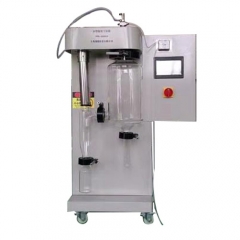
High quality 1.5L scale lab spray dryer equipment
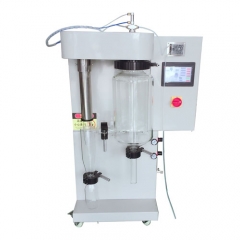
Lab scale spray dryer is suitable for the production of in universities, research institutes and food and pharmaceutical chemical enterprises.
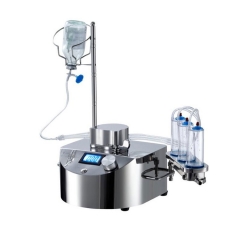
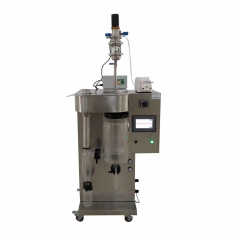
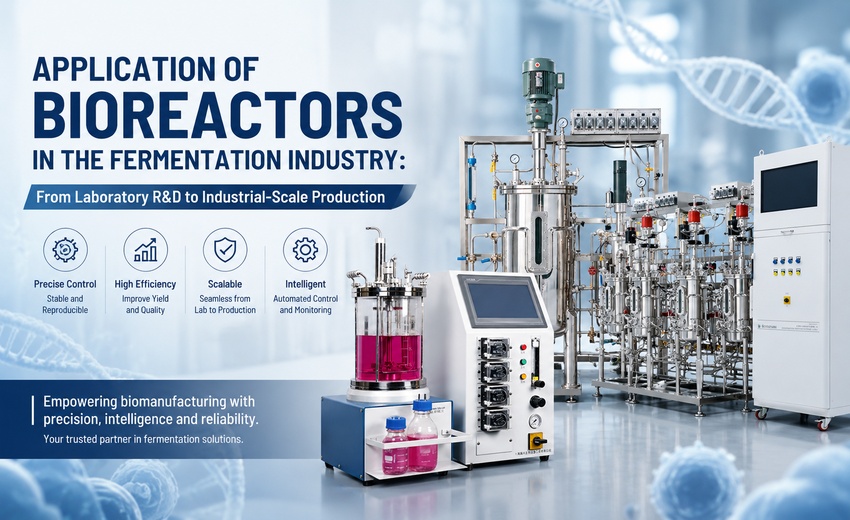
Amid the rapid evolution of biomanufacturing, the fermentation industry has long since moved beyond traditional, workshop-style natural fermentation,
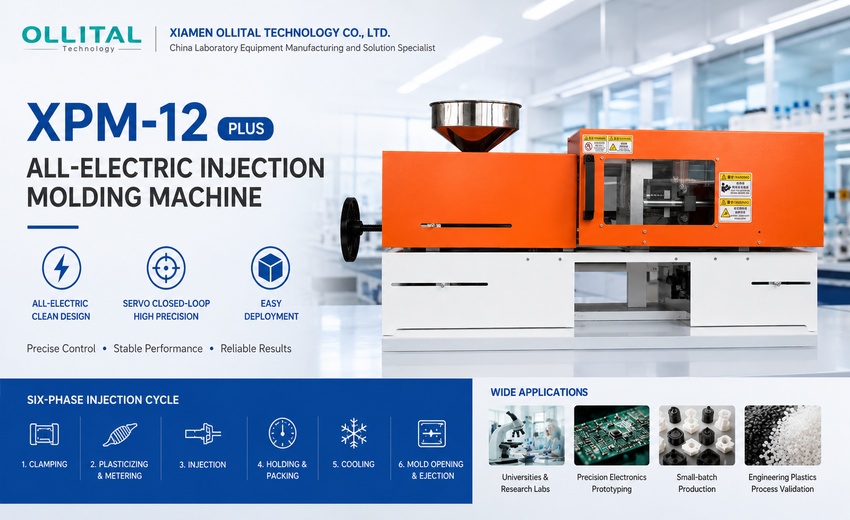
XPM-series desktop injection molding machine is developed for precision micro part molding. It adopts a screw-rotation plasticizing direct-feed struct
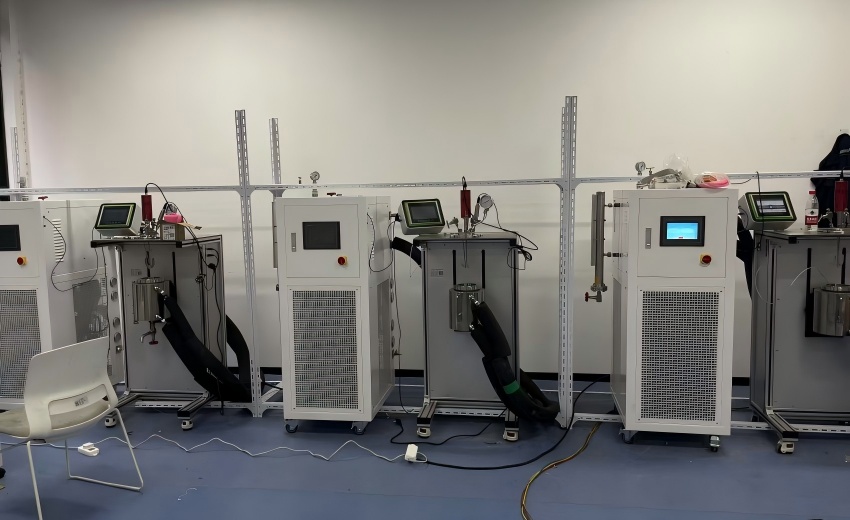
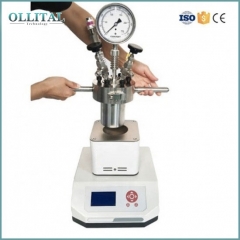
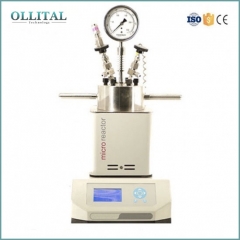
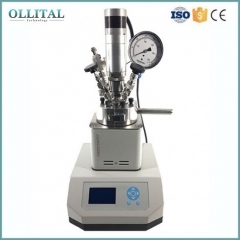
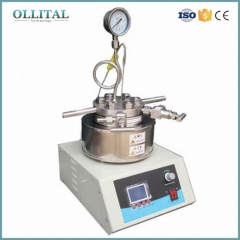
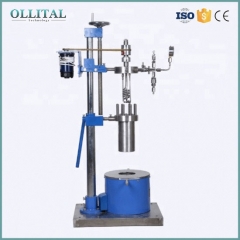
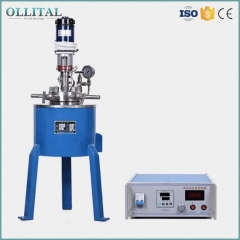
For laboratory reactions, a lab high pressure reactor is often used for hydrothermal synthesis, catalytic hydrogenation, polymerization, and material
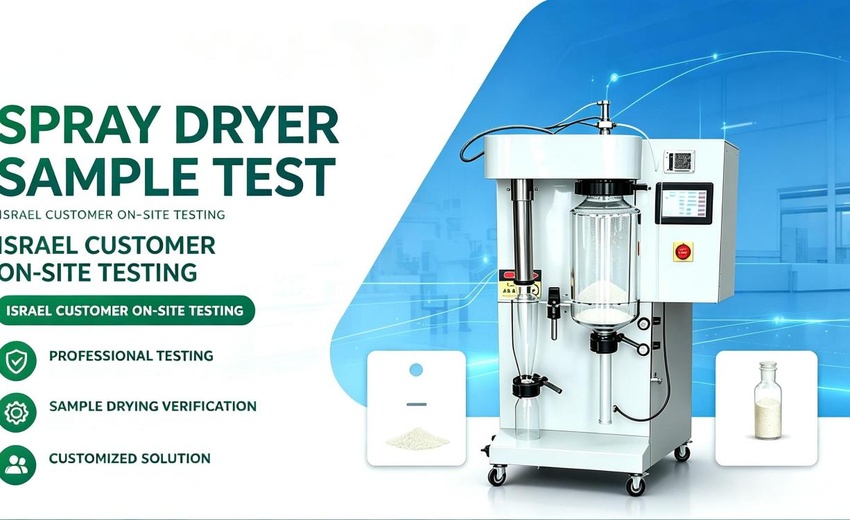
In laboratory equipment, a repeat order can sometimes say more than a first inquiry. In 2020, a customer from Israel purchased a 2L laboratory spray d
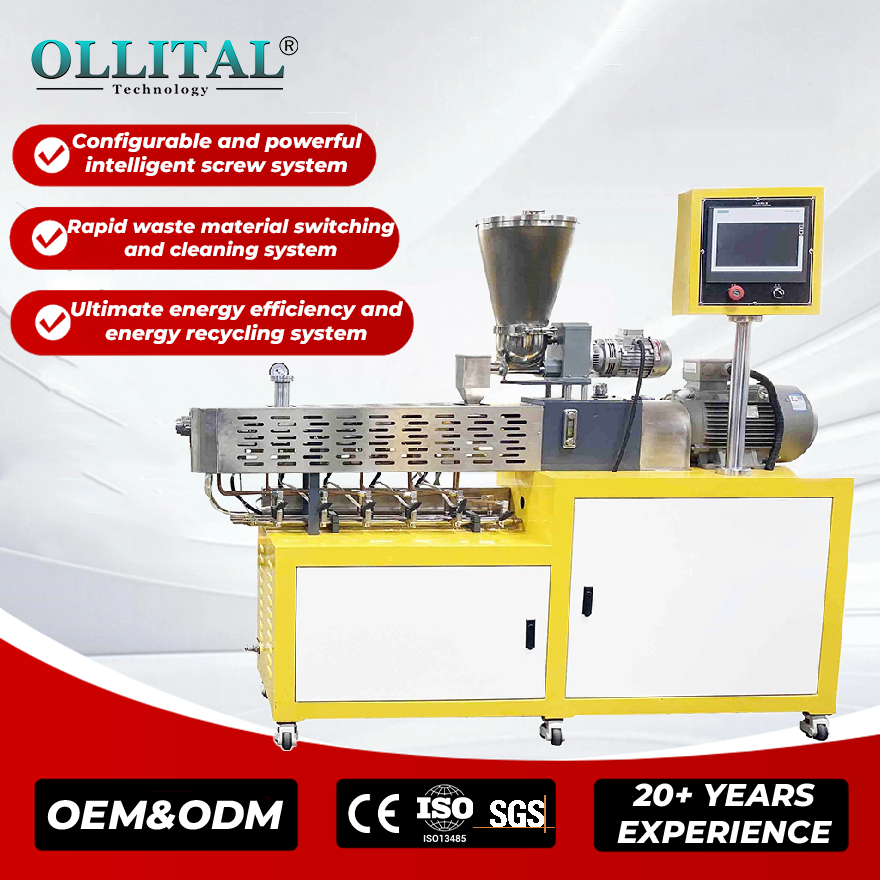
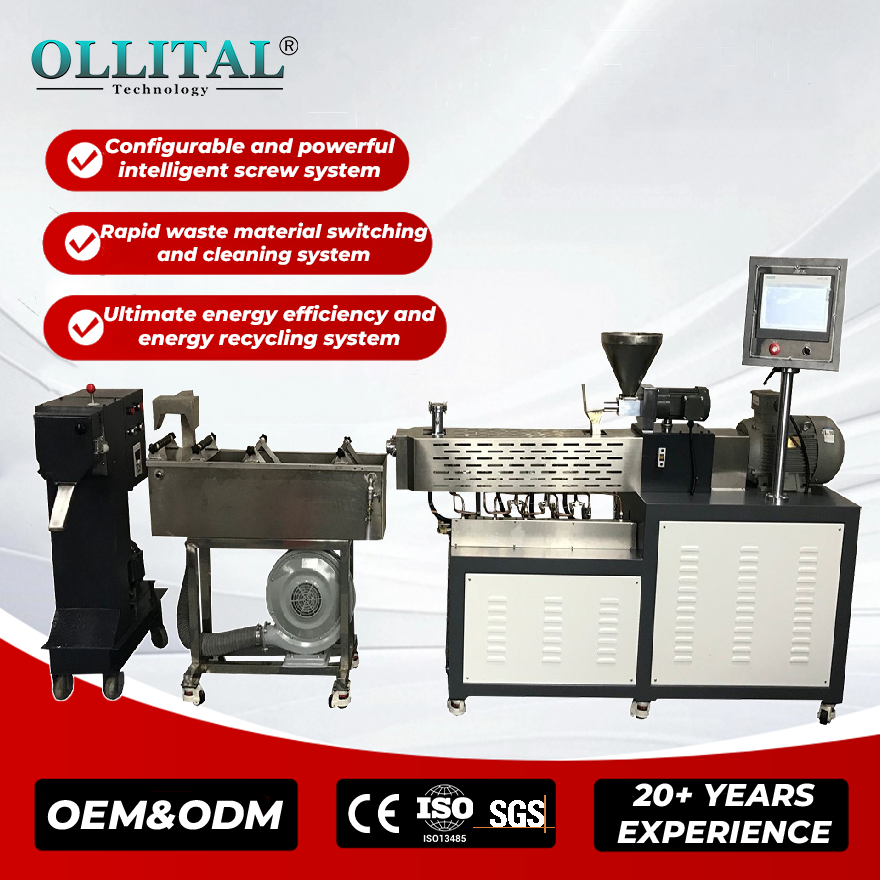
The core difference between single-screw extruders and twin-screw extruders lies in their structures and applications. Single-screw extruders are simpler in structure and lower in cost, making them suitable for single material processing or low shear molding. On the other hand, twin-screw extruders offer stronger shear mixing capabilities and higher production rates, making them ideal for complex formulations, high filling, or reactive extrusion. However, they come with higher costs and operational thresholds.
Core structural differences
- Single screw: One screw + barrel, with the screw typically featuring gradual/sudden changes in its flight design, relying on friction between the material and the barrel/screw for conveying and plasticizing; feeding/venting is mostly single-station.
- Twin screw: two parallel/meshing (co-rotating/counter-rotating) screws + barrel, with screw flights intermeshing with screw grooves, relying on positive displacement for conveying, and strong forced conveying capability; multi-section barrel, multiple feeding ports, multiple exhaust ports, modular design.
Key performance and application differences (concise comparison)
Comparison: Single Screw Extruder vs. Twin Screw Extruder
Plasticizing Efficiency:
* Single Screw Extruder: Slow plasticizing, large temperature fluctuations, prone to uneven plasticizing
* Twin Screw Extruder: Fast and uniform plasticizing, good temperature controllability, suitable for heat-sensitive materials
Output and Energy Consumption:
* Single Screw Extruder: Medium to small output, low unit energy consumption
* Twin Screw Extruder: Large output (higher than single screw of the same specification), high unit energy consumption
Cost and Maintenance:
* Single Screw Extruder: Low equipment procurement and maintenance costs, simple operation
* Twin Screw Extruder: High procurement and maintenance costs, high threshold for operation and formula debugging
Typical Applications:
* Single Screw Extruder: Tubing, sheet, film, cable sheath (single resin extrusion)
* Twin Screw Extruder: Color masterbatch, modified plastics, degradable materials, hot melt adhesives, reactive extrusion, high-filled composite materials



 online service
 +86 15960821529
 kevin@ollital.comkevinollital@gmail.com
 +86 15960821529
 +8615960821529


