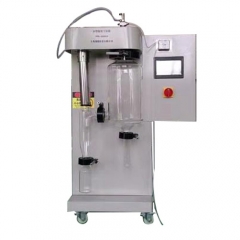
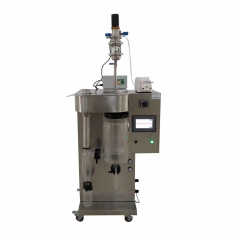
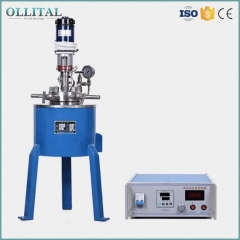
High quality 1.5L scale lab spray dryer equipment
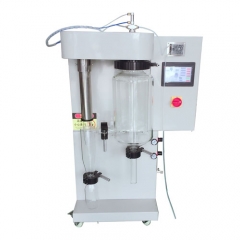
Lab scale spray dryer is suitable for the production of in universities, research institutes and food and pharmaceutical chemical enterprises.
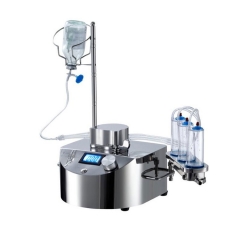
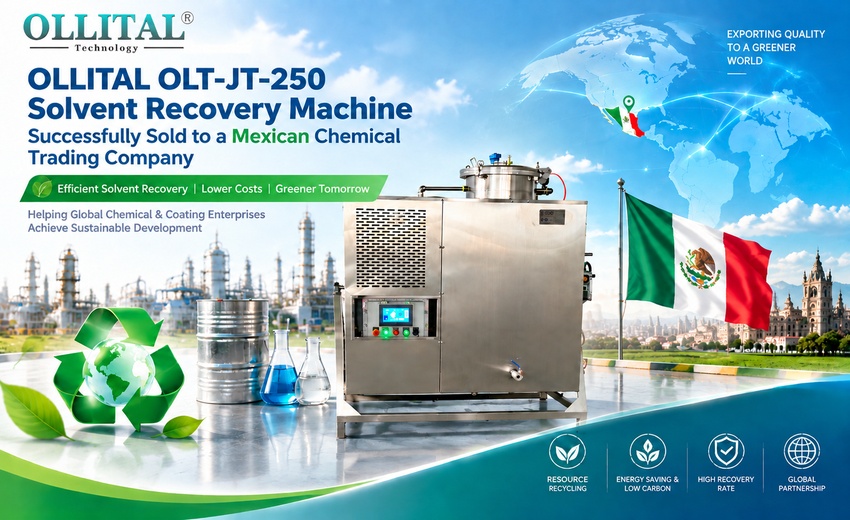
We recently successfully finalized a partnership with a prominent Mexican chemical trading company, securing an order for the OLT-JT-250 solvent recov
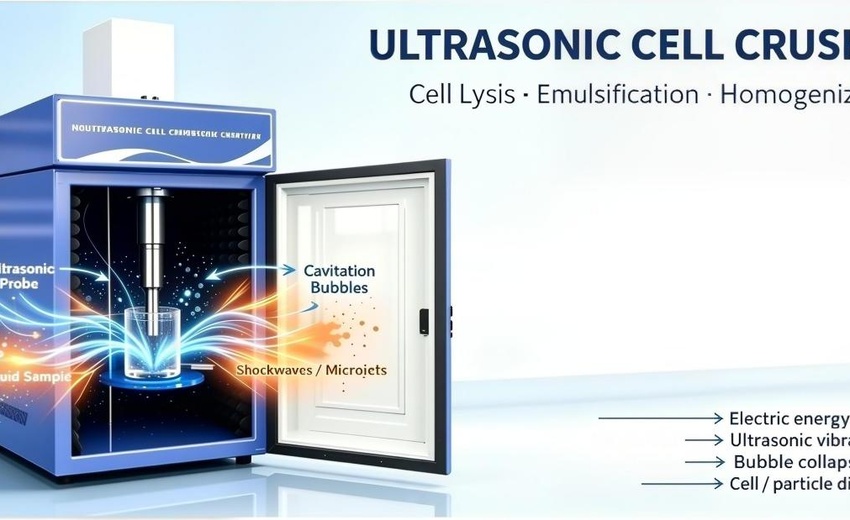
An ultrasonic homogenizer is a versatile laboratory instrument used to disrupt cells,break down particles,emulsify liquids,and improve the uniformity
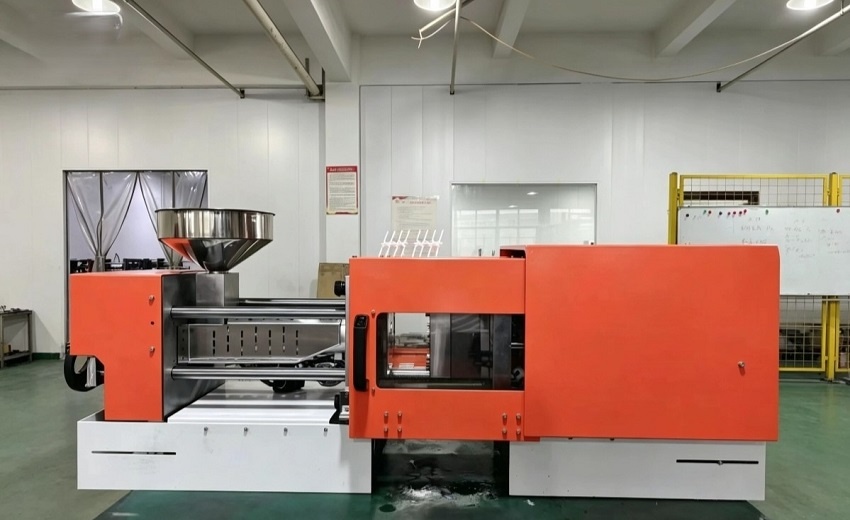
When sourcing small‑scale injection molding equipment for lab R&D, prototype testing or low‑volume production, buyers consistently raise three cor
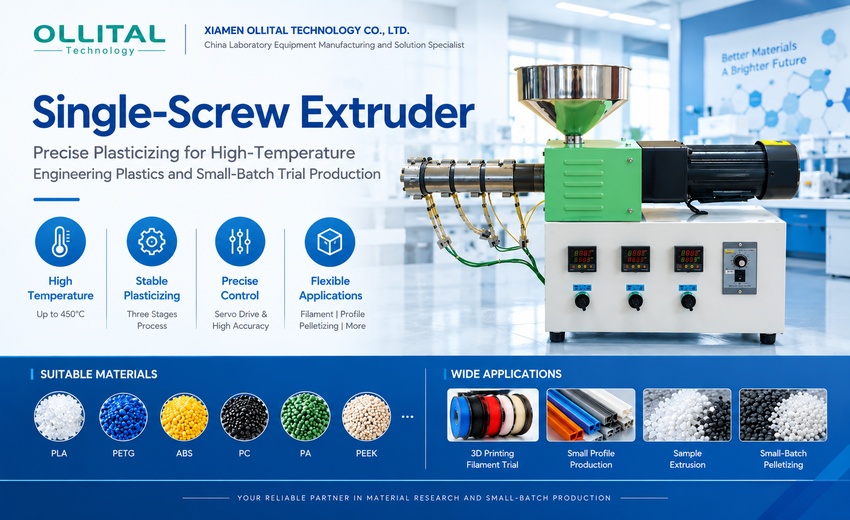
In new material R&D and laboratory trial production, stable and controllable plasticizing extrusion is key to obtaining reliable samples. The sing
Injection molding machines are the backbone of modern plastic manufacturing, used to produce everything from medical components and packaging to automotive parts and consumer goods. Understanding the different types of injection molding machines is essential when selecting the right equipment for your production needs. Each type offers unique advantages depending on application, material, and output requirements.
Hydraulic injection molding machines are the most traditional and widely used type. They rely on hydraulic cylinders to generate the clamping force and injection pressure required to mold plastic parts.
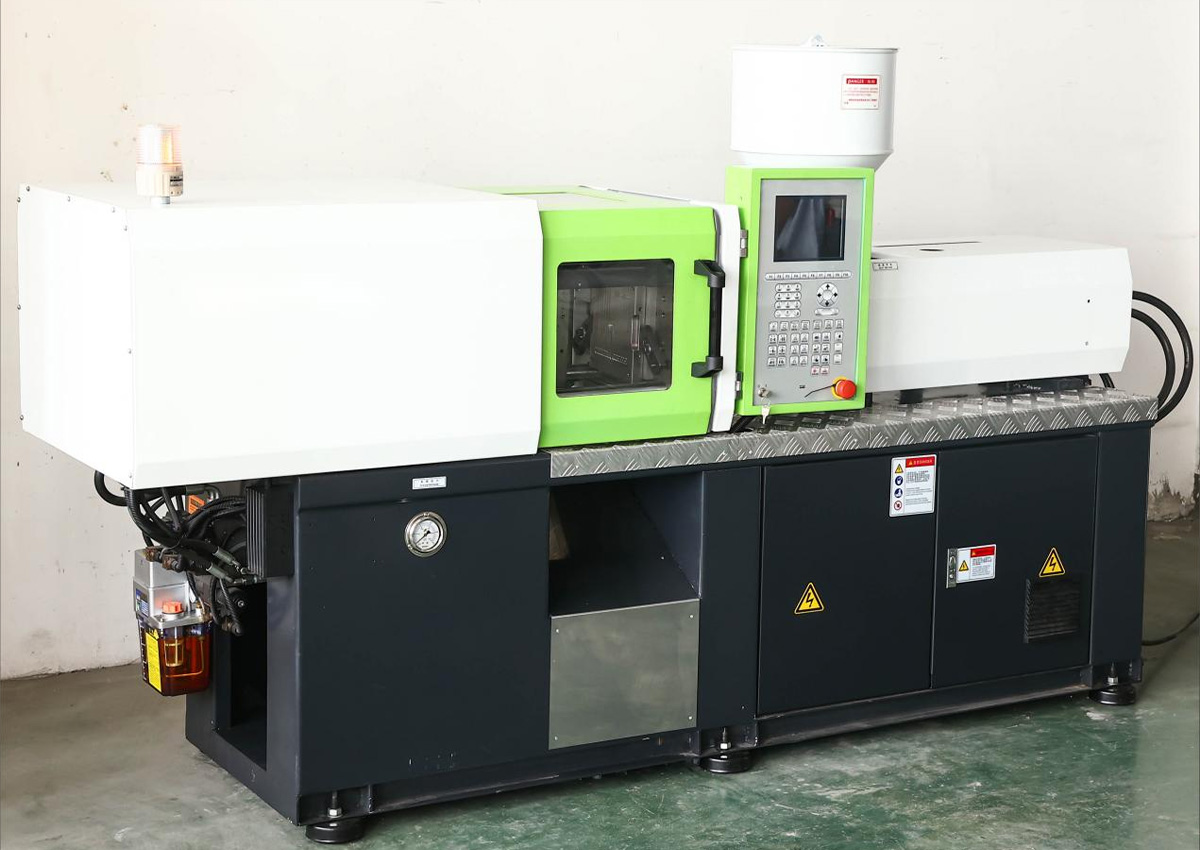
Key advantages:
- High clamping force suitable for large molds
- Excellent durability and long service life
- Capable of processing high-viscosity and reinforced materials
Limitations:
- Higher energy consumption
- Louder operation compared to newer technologies
- Hydraulic machines are commonly used in automotive, industrial, and heavy-duty applications where strength and reliability are more important than energy savings.
All-electric injection molding machines use servo motors instead of hydraulics for all movements, including injection, clamping, and ejection.
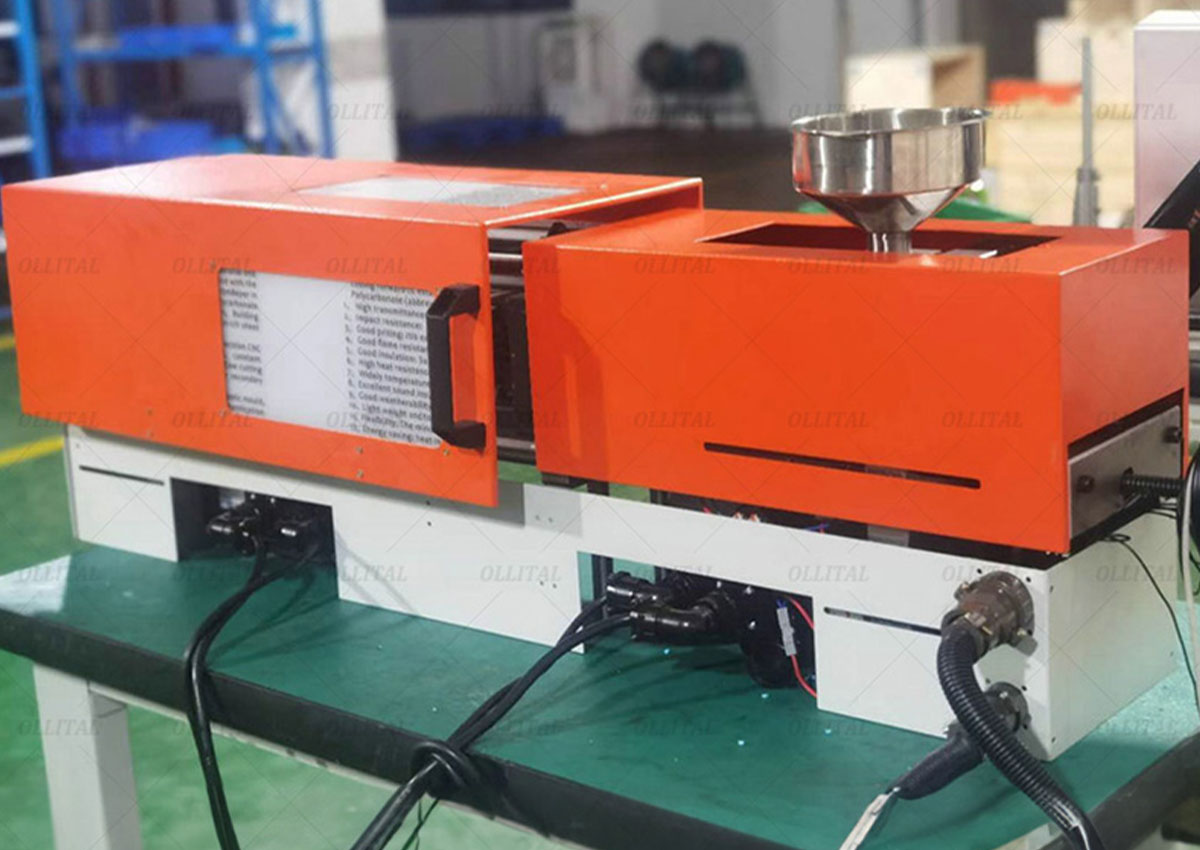
Key advantages:
- High precision and repeatability
- Energy savings of up to 50–70%
- Clean operation with no hydraulic oil
Limitations:
- Higher initial investment
- Typically lower maximum clamping force than hydraulic machines
- These machines are ideal for medical devices, electronics, laboratory products, and precision components where cleanliness and accuracy are critical.
Electric injection molding machines are ideal for applications requiring high precision, energy efficiency, low noise, and clean operation, making them suitable for electronics, medical, and thin-wall products. Hydraulic injection molding machines, on the other hand, offer higher clamping force, strong versatility, and lower initial cost, making them better suited for large parts and general-purpose plastic products where ultra-high precision is not critical.


 online service
 +86 15960821529
 kevin@ollital.comkevinollital@gmail.com
 +86 15960821529
 +8615960821529


