OLT(241860295) 10:58:43 AW-759006566 OLT(241860295) 10:58:49

Videos

Home /Videos /

Dry Ice Blasting Cleaning Machine1

hot products

LATEST NEWS

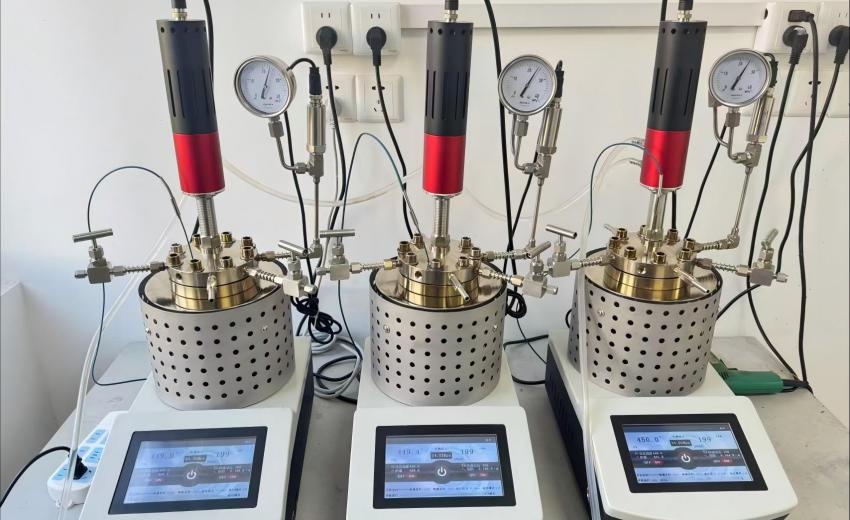
How Does a High Pressure Reactor Work in Chemical Synthesis?

How Does a High Pressure Reactor Work in Chemical Synthesis?

Sep / 28 / 2026

Chemical reactions are often carried out under conditions that cannot be achieved with an ordinary laboratory vessel. When a reaction requires elevate

Desktop Small Experimental Pelletizing Unit: Complete Replication of Industrial Strand Pelletizing Process

Desktop Small Experimental Pelletizing Unit: Complete Replication of Industrial Strand Pelletizing Process

Sep / 28 / 2026

A granulator is a specialized equipment used to process plastic raw materials, modified materials or blended substances into uniform particles. It is

OLLITAL P8 dry ice cleaning machine has been successfully exported to Malaysia, empowering the local industrial sector to upgrade to green cleaning solutions.

OLLITAL P8 dry ice cleaning machine has been successfully exported to Malaysia, empowering the local industrial sector to upgrade to green cleaning solutions.

Sep / 28 / 2026

We are pleased to announce another milestone in our overseas market expansion: a batch of high-performance P8 dry ice cleaning machines has been succe
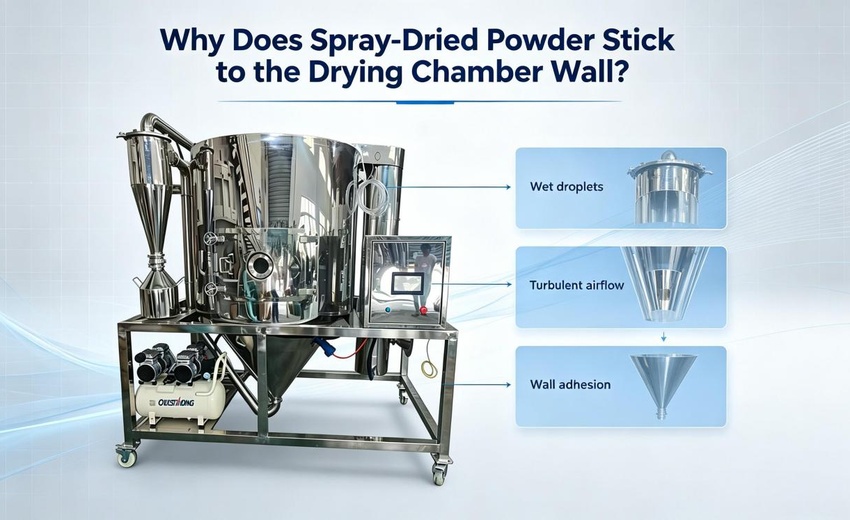
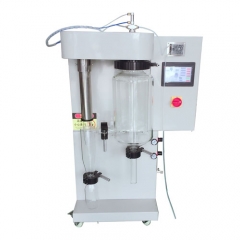
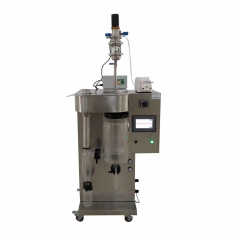
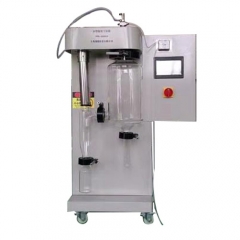
Why Does Spray-Dried Powder Stick to the Drying Chamber Wall?

Why Does Spray-Dried Powder Stick to the Drying Chamber Wall?

Sep / 28 / 2026

One of the most frustrating problems during spray drying is seeing a large amount of powder stuck to the wall of the drying chamber. The spray dryer m

Dry Ice Blasting Cleaning Machine1

2021-10-03

Co2 Dry Ice Blasting Cleaning Machine


            Dry ice blasting is a type of equipment that uses dry ice (solid carbon dioxide) as a cleaning medium to clean and remove dirt by spraying dry ice particles at high speed. This equipment is widely used in the field of industrial cleaning, especially for equipment and surfaces that are difficult to clean using traditional methods. Dry ice blasting is popular because of its environmental protection, high efficiency and no damage to the surface being cleaned.


Working principle of dry ice blasting

    TThe working principle of dry ice blasting mainly includes the following steps:

  1. Dry ice preparation: converting liquid carbon dioxide into solid dry ice particles, usually with a diameter of 1.5 mm to 3 mm.
  2. Spraying system: accelerating and spraying dry ice particles onto the surface to be cleaned through compressed air.
  3. Impact and sublimation: high-speed dry ice particles hit the surface of dirt, using their low temperature characteristics to embrittle and loosen the dirt. The dry ice particles then sublimate (directly from solid to gas), producing a micro-blasting effect, further peeling off the dirt.


Advantages of dry ice blasting

  • Environmentally friendly and pollution-free: No chemical solvents are used in the dry ice blasting process. After the dry ice sublimates, it turns into gaseous carbon dioxide without leaving any residue, which is environmentally friendly.
  • No damage to the surface: Dry ice particles will not damage the surface being cleaned, suitable for cleaning precision equipment and sensitive surfaces.
  • Efficient and energy-saving: Dry ice blasting has a fast cleaning speed, which can significantly reduce downtime and improve production efficiency.
  • Versatile application: Suitable for cleaning a variety of materials and equipment, including metals, plastics, electronic equipment, etc.


Advantages of dry ice blasting

    Dry ice blasting cleaning machine is widely used in many industries, including but not limited to:


  • Automobile manufacturing: cleaning molds, engine parts, welding equipment, etc.
  • Food processing: cleaning production lines, conveyor belts, packaging equipment, etc. to ensure hygiene and food safety.
  • Electronic industry: cleaning printed circuit boards, semiconductor equipment, etc. to avoid corrosion of electronic components by chemical solvents.
  • Aerospace: cleaning turbine blades, body parts, etc., and maintaining high-precision equipment.