
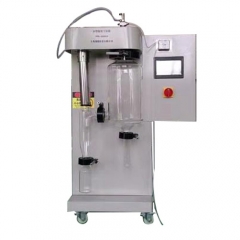
High quality 1.5L scale lab spray dryer equipment
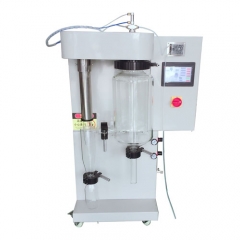
Lab scale spray dryer is suitable for the production of in universities, research institutes and food and pharmaceutical chemical enterprises.
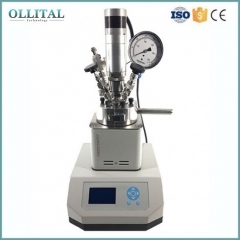
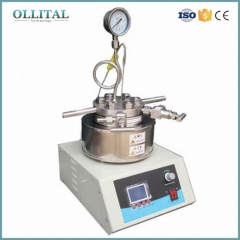
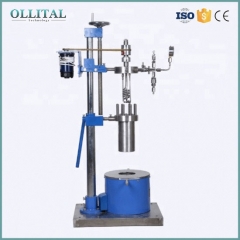
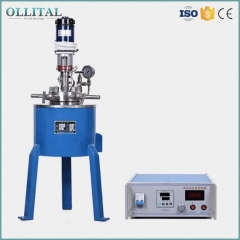
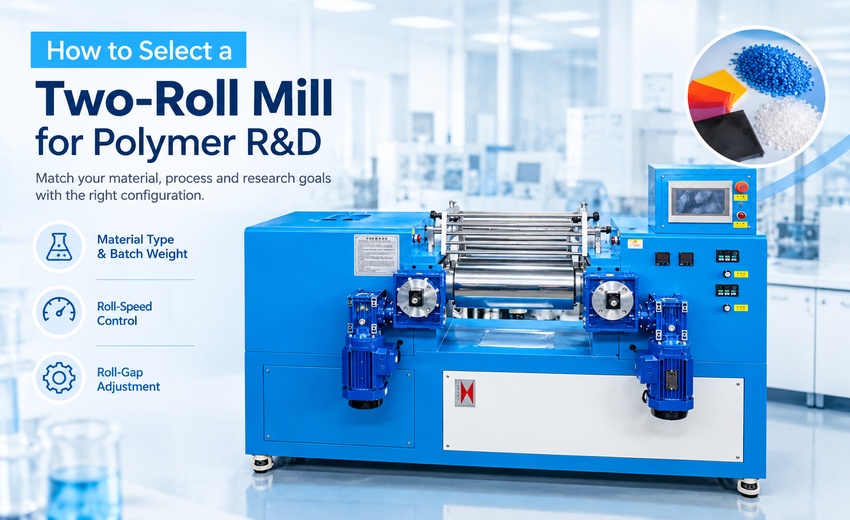
Selecting the right two-roll mill is essential for efficient and reliable polymer research and development. Different materials and experimental requi
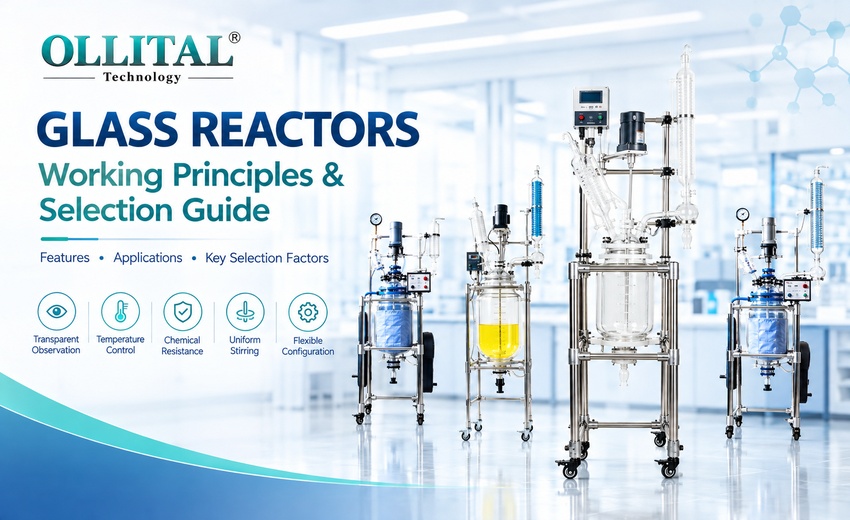
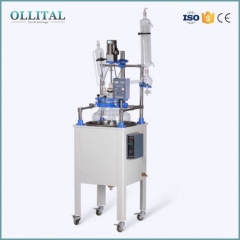
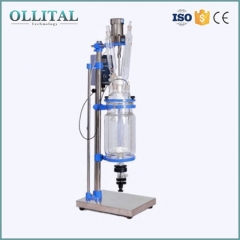
The glass reactor is an integrated system featuring a vessel body made of high-borosilicate glass—renowned for its high-temperature resistance—support
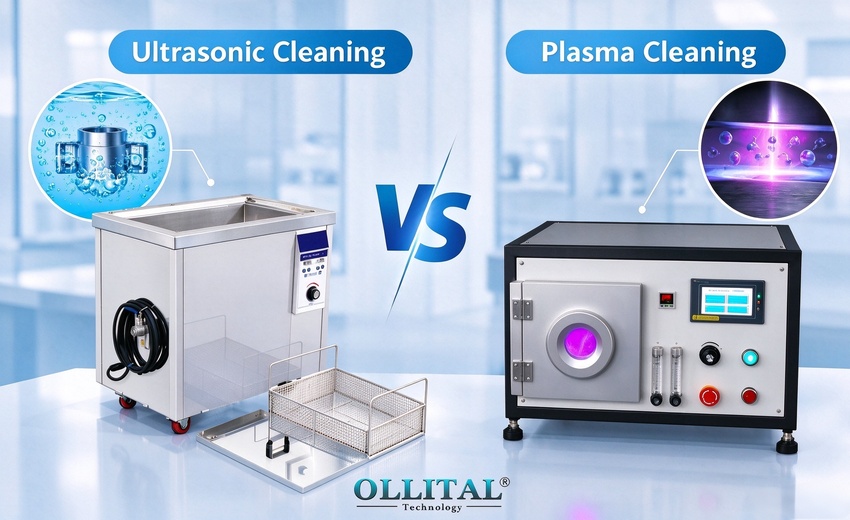
A practical guide to contamination removal, surface activation, and process selection A component can look clean and still be unsuitable for bonding,
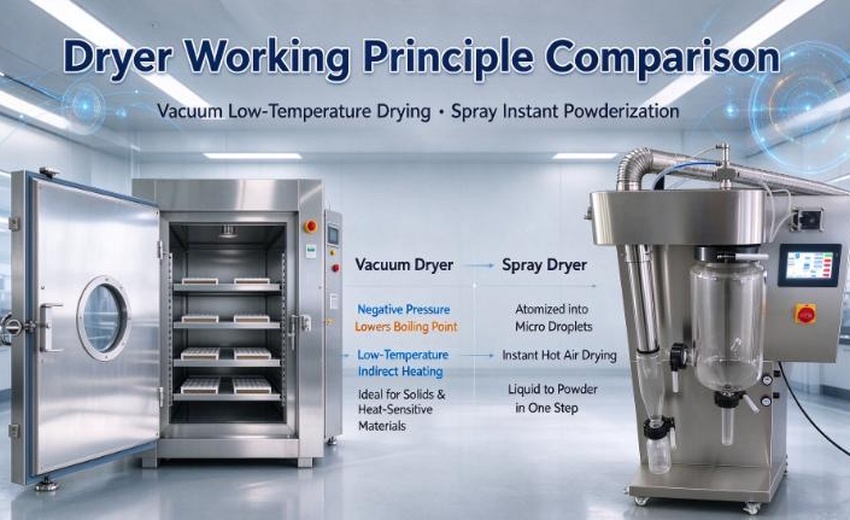
Choosing the right drying equipment can make a significant difference to product quality, processing time, and operating costs. Two commonly used opti
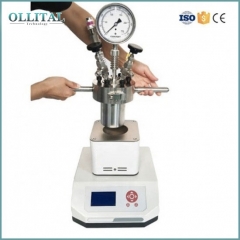
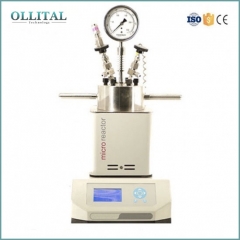
The glass reactor is an integrated system featuring a vessel body made of high-borosilicate glass—renowned for its high-temperature resistance—supported by a stainless steel frame and equipped with mechanical stirring, temperature control, vacuum, and condensation/reflux systems. It is primarily used to conduct experimental processes such as stirring, synthesis, extraction, crystallization, distillation, and reflux under atmospheric or negative pressure (vacuum) conditions.
Unlike the enclosed metal structure of traditional stainless steel reactors, the high-borosilicate glass offers excellent physicochemical properties, including superior transparency, high-temperature resistance, impact resistance, and chemical stability. The equipment utilizes a modular design that allows for easy assembly, disassembly, and component replacement, making it suitable for everything from basic educational experiments to advanced scientific research projects and small-batch pilot production.
Its core operating principle is straightforward: an external temperature control unit regulates the temperature of the materials inside the vessel, while uniform mechanical stirring ensures thorough mixing and reaction. A vacuum system establishes a negative-pressure environment, and integrated components for condensation, liquid feeding, and phase separation enable a fully controllable, closed-loop chemical reaction—ensuring the process remains free from impurity precipitation or media contamination.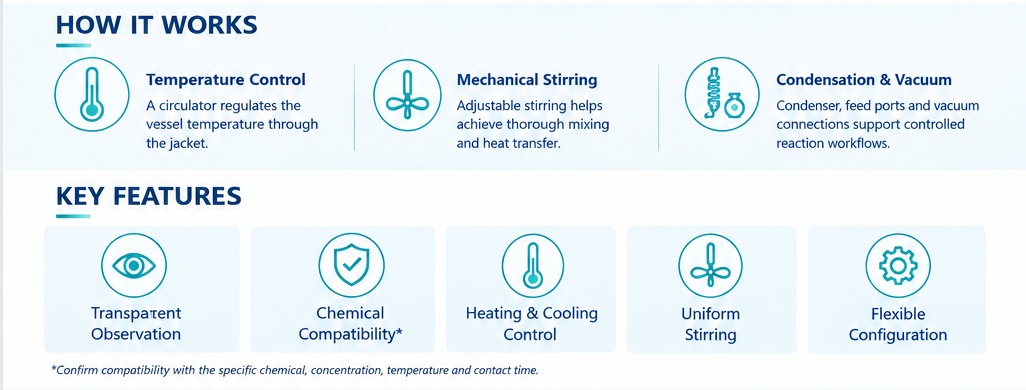
Transparent vessel body for easy observation of the reaction process. Made from transparent glass, these reactors allow researchers to monitor changes in the materials inside in real-time—such as color shifts, liquid mixing, precipitate formation, and phase transitions. This feature is particularly valuable for chemical synthesis, crystallization studies, material preparation, and the optimization of reaction conditions.
Excellent chemical corrosion resistance. Reactors made from suitable borosilicate glass can withstand many common acids, solvents, and laboratory reagents, making them suitable for a wide range of chemical experiments. However, glass is not resistant to all chemical substances; for instance, hydrofluoric acid and certain high-temperature, strong alkaline solutions can corrode it. Therefore, material compatibility must be verified based on the specific media, concentration, temperature, and duration of contact when selecting a reactor.
Heating and cooling control. Jacketed glass reactors allow for reaction temperature regulation via a heating or cooling medium circulating within the jacket. Depending on experimental needs, the equipment can be paired with high/low-temperature circulators, heating circulators, or cooling systems to meet specific temperature control requirements.
Uniform stirring for enhanced experimental efficiency. Glass reactors are typically equipped with electric stirring systems, allowing for the selection of appropriate impeller types and stirring speeds based on material properties. Effective stirring promotes material mixing and improves heat transfer, ensuring greater uniformity within the reaction system.
Flexible configuration and customization options. Glass reactors can be configured to meet specific experimental requirements regarding vessel capacity, stirring systems, temperature probes, condensers, feed ports, and vacuum connections. This flexibility enables them to adapt to diverse experimental workflows and satisfy the equipment needs of various scientific research projects.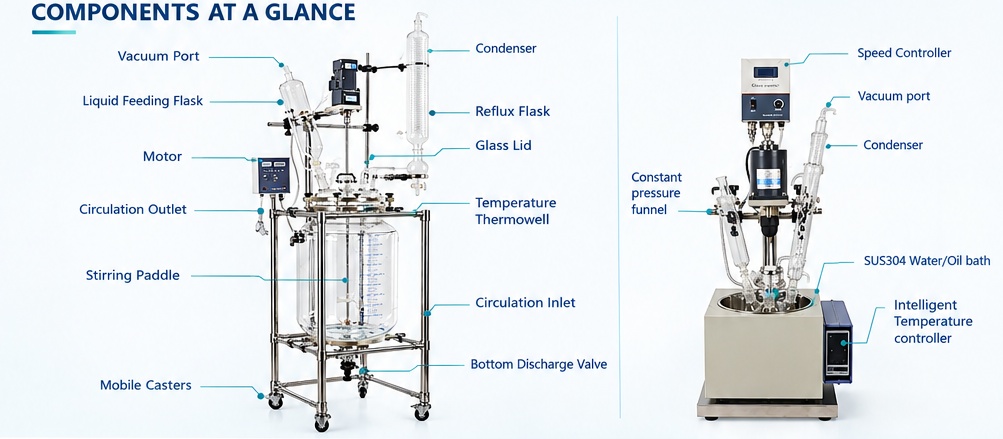
Chemical Synthesis. Glass reactors are frequently used for organic synthesis, the study of chemical reaction mechanisms, and the optimization of synthesis processes. The transparent vessel allows researchers to observe reaction phenomena and adjust reaction conditions based on experimental results.
Materials Science Research. In the study of polymer materials, nanomaterials, and functional materials, glass reactors are used for material mixing, reaction synthesis, and the exploration of preparation processes.
Universities and Research Laboratories. Due to their excellent visibility and flexible configuration options, glass reactors are widely used in university laboratory teaching, basic scientific research, and pilot-scale experiments.
Fine Chemicals and Cosmetics R&D. Glass reactors can also be used for mixing, heating, cooling, and reaction experiments involving certain fine chemicals, cosmetic raw materials, and formulations, provided the materials are compatible with the equipment's construction materials.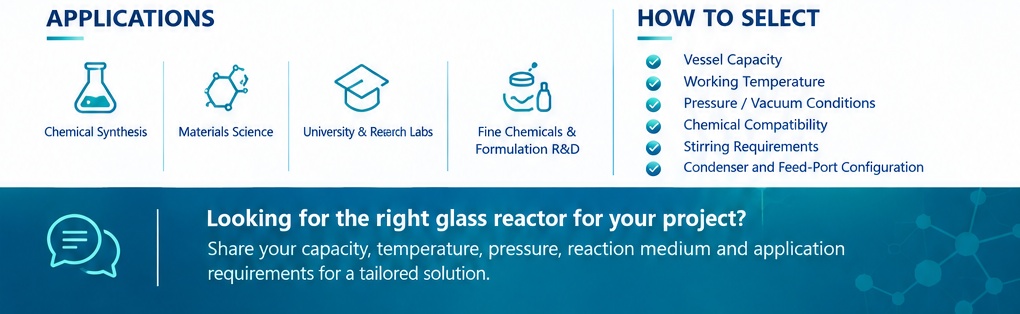
Glass reaction vessels, with their transparent visibility, flexible configuration, and good compatibility with various common experimental media, have become commonly used experimental equipment in chemical synthesis, pharmaceutical research and development, materials science, and university laboratories. When choosing a glass reaction vessel, one should comprehensively consider the vessel capacity, working temperature, pressure conditions, chemical compatibility, and stirring requirements, so as to select the equipment that meets the actual experimental needs.
Are you looking for the right glass reaction vessel for your laboratory or research project?
Please provide us with the required capacity, working temperature, working pressure, reaction medium, and specific application requirements. Our team can assist in evaluating suitable equipment configurations based on your experimental conditions and provide you with product solutions and quotations. Contact us immediately to learn more about glass reaction vessel products!



 online service
 +86 15960821529
 kevin@ollital.comkevinollital@gmail.com
 +86 15960821529
 +8615960821529


