
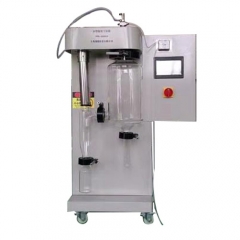
High quality 1.5L scale lab spray dryer equipment
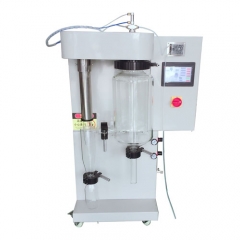
Lab scale spray dryer is suitable for the production of in universities, research institutes and food and pharmaceutical chemical enterprises.
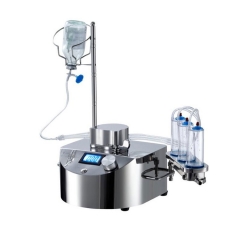
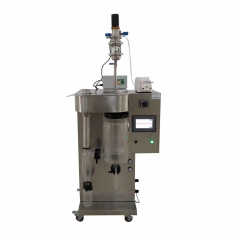
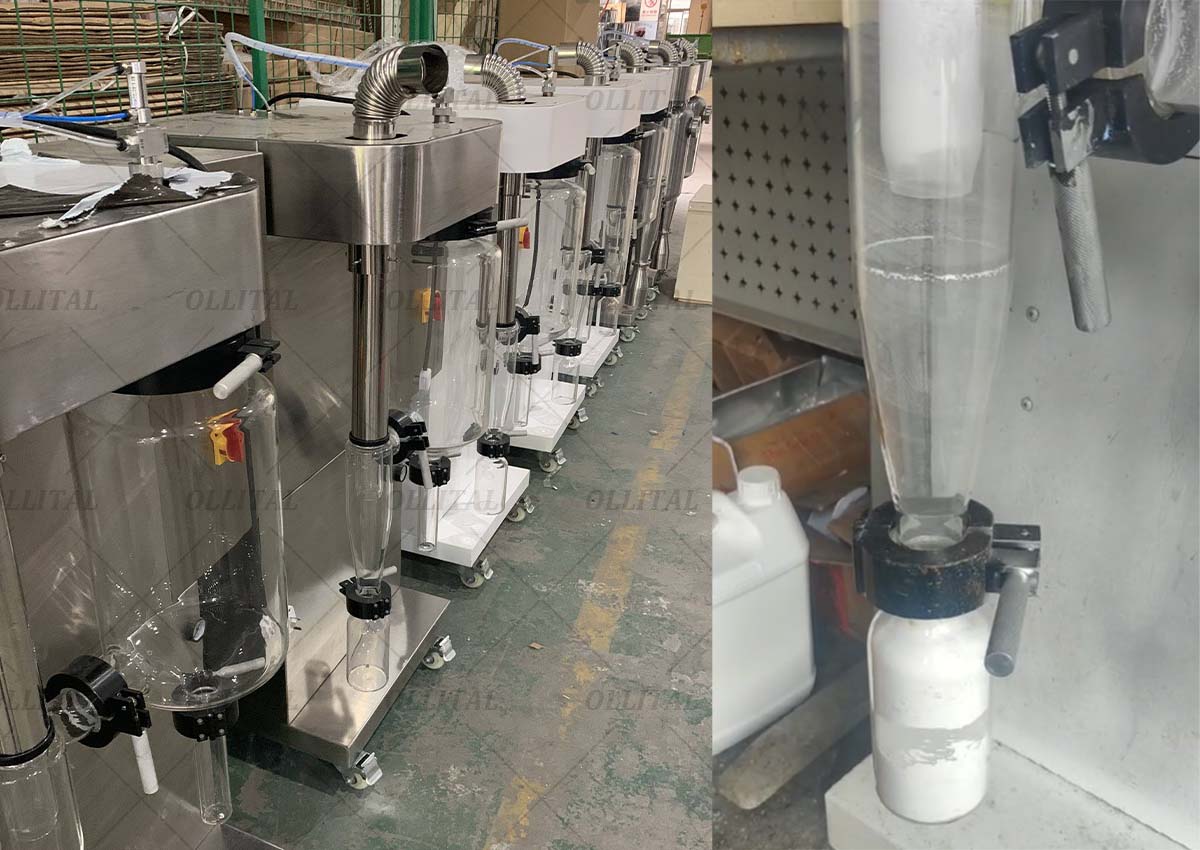
In early November, we were pleased to welcome a Vietnamese customer delegation to our factory for an on-site visit and equipment evaluation. The clien
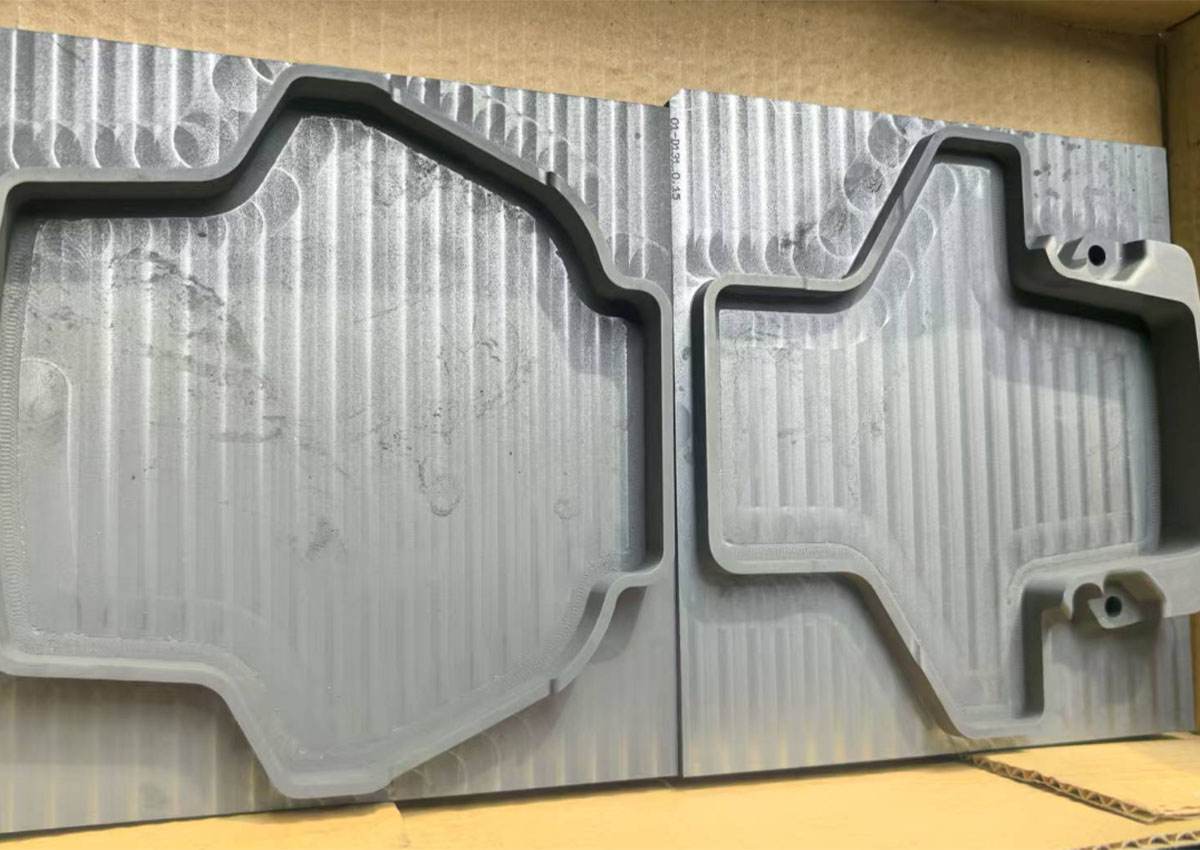
Recently, we successfully completed a custom injection molding project for an overseas customer, demonstrating our ability to transform a physica
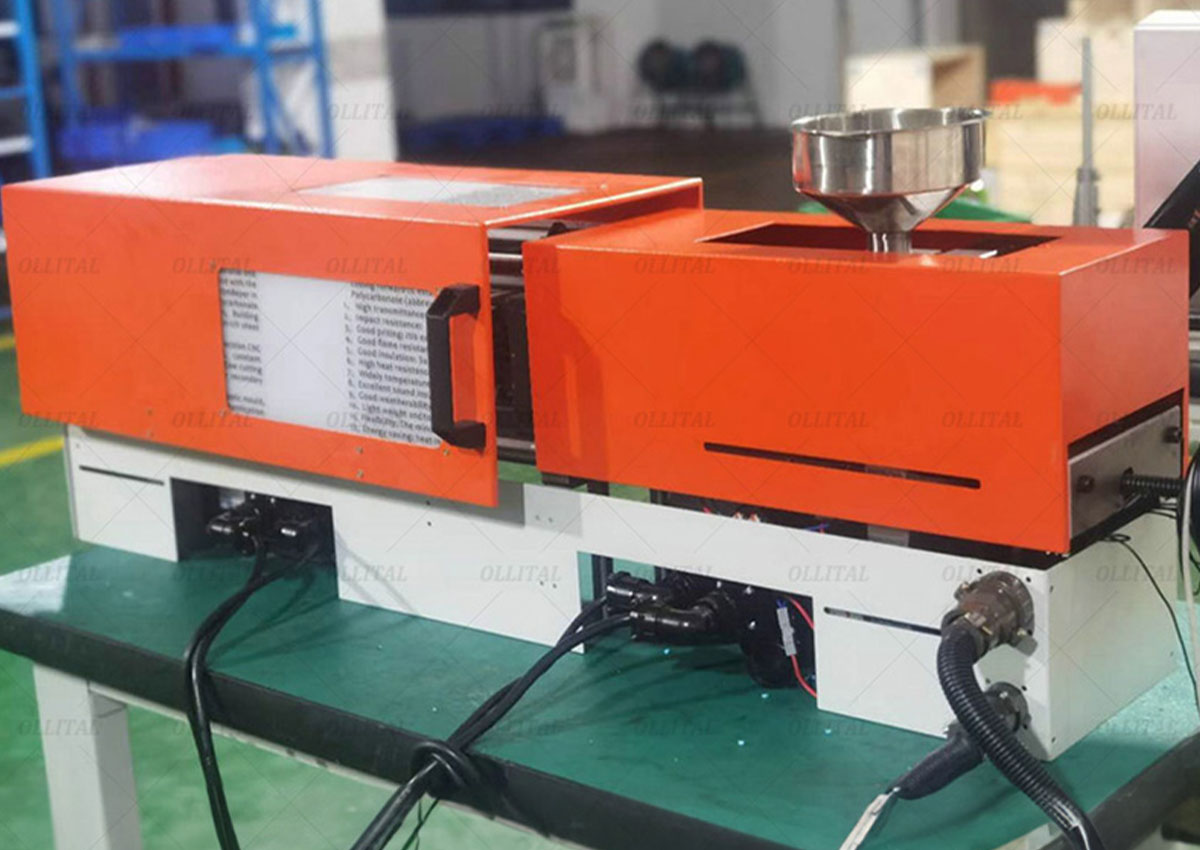
Injection molding machines are the backbone of modern plastic manufacturing, used to produce everything from medical components and packaging to autom
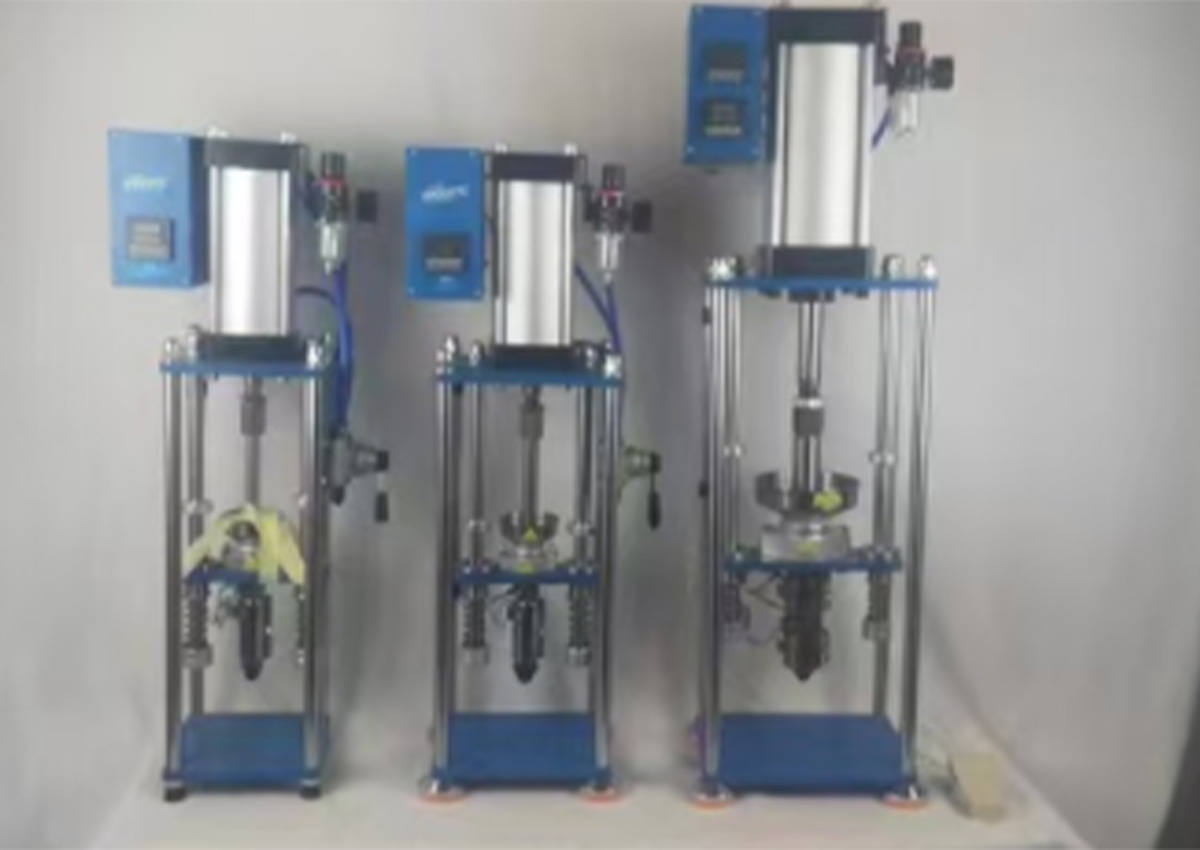
1.Hybrid Injection Molding Machines Hybrid injection molding machines combine hydraulic power with electric control systems, offering a balance betwee
A new tool to the forefront of science
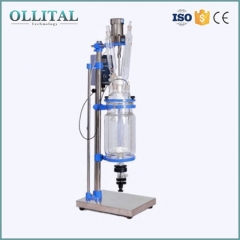
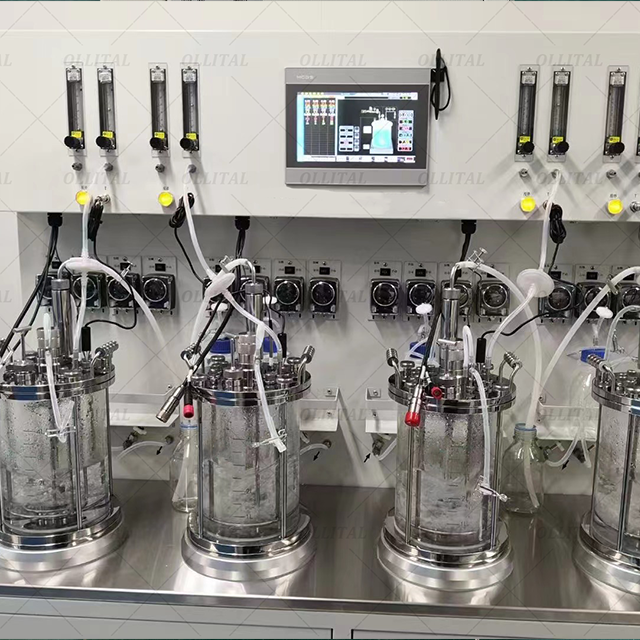
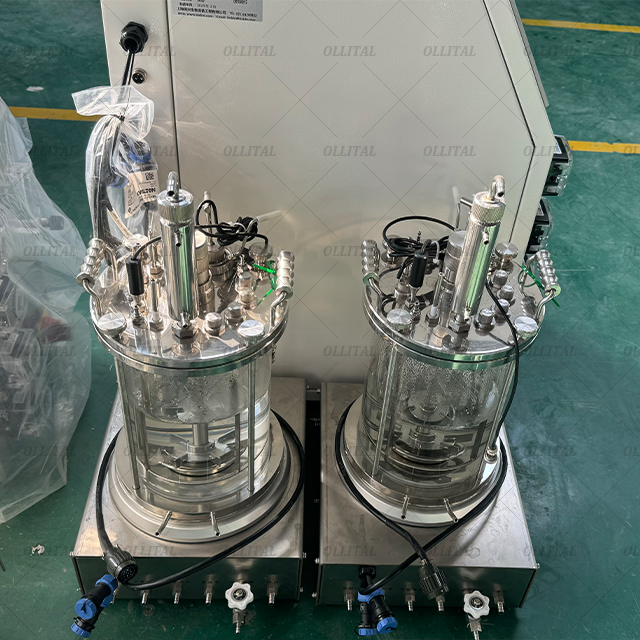
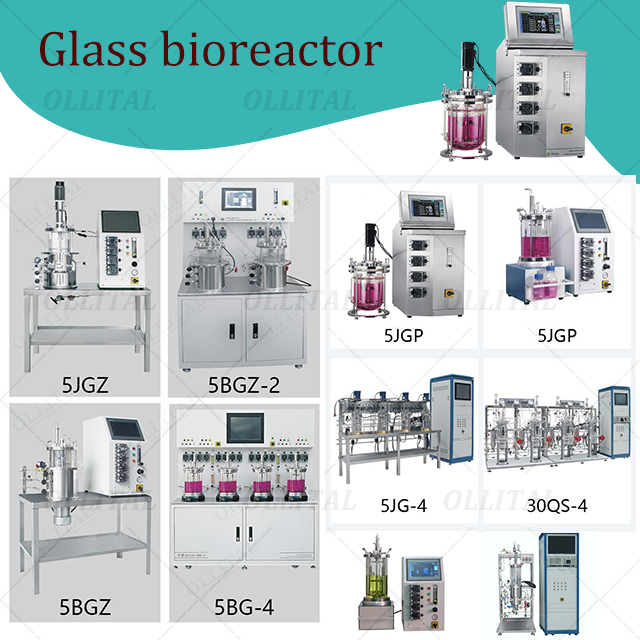
In modern scientific research, laboratory glass fermenters are rapidly becoming a powerful assistant for researchers. These transparent tanks not only reveal the mystery of the world of microorganisms for us, but also bring new possibilities for scientific experiments and teaching. Recently, a new study on laboratory glass fermenters has attracted widespread attention, and its innovative design and unique application have brought us many surprises.
Revolutionary changes brought by transparency
Real-time observation: Traditional metal or plastic fermenters are opaque, making it difficult to visually observe the internal fermentation process. Glass fermenters solve this problem, and their transparent tanks allow researchers to monitor microbial activities and changes in fermentation media in real time. This is of great significance for experimental accuracy and data collection. For example, scientists can directly observe the reproduction of yeast through a microscope to better understand its growth law.
Exquisite teaching tools: The intuitiveness of glass fermenters also makes them an ideal tool for teaching. In biochemistry and microbiology courses, students can intuitively understand the complex fermentation principles and microbial metabolic processes by observing the dynamic changes in the fermenter. This vivid teaching method greatly improves students' learning interest and comprehension ability
Breakthrough in new design
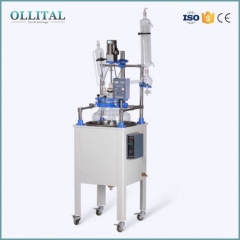
Double-layer structure: Recently, an innovative double-layer glass fermenter was launched on the market. Its inner layer is used for fermentation medium, while the outer layer can be passed through cooling or heating medium to accurately control the fermentation temperature. This design not only improves the stability of the fermentation process, but also effectively protects the activity of microorganisms during high-temperature sterilization.
Integrated sensors: Another technological breakthrough is the integration of multiple sensors in glass fermenters, such as pH sensors, oxygen sensors, and temperature sensors. These sensors can transmit data to the control system in real time to achieve automatic control and precise regulation of the fermentation process. This intelligent design greatly improves experimental efficiency and data reliability.
Broad application prospects
Drug research and development: In the field of biopharmaceuticals, glass fermenters are widely used in drug fermentation production. Its transparency and precise control function ensure the purity and consistency of drug ingredients. For example, when producing antibiotics and vaccines, the use of glass fermenters can significantly improve product quality and production efficiency.
Environmental Science: In environmental science research, glass fermenters are used to study wastewater treatment and biodegradation processes. Researchers can explore more efficient wastewater treatment methods and environmental remediation technologies by observing and analyzing microbial activities in fermenters.
Environmental Protection and Safety
Reusability: The environmental advantages of glass fermenters cannot be ignored. Its durability and reusability reduce the generation of laboratory waste, which is in line with the concept of green scientific research. In addition, the inertness of glass ensures that no harmful substances are released during the fermentation process, ensuring the safety of the experiment.
Conclusion
Laboratory glass fermenters are changing the way scientific research and teaching are done with their transparency and high performance. Its innovative design and wide application prospects reveal to us the infinite possibilities of the microbial world. In the future, with the continuous advancement of technology, glass fermenters will play an important role in more fields and promote scientific research to new heights.



 online service
 +86 15960821529
 kevin@ollital.comkevinollital@gmail.com
 +86 15960821529
 +8615960821529


