
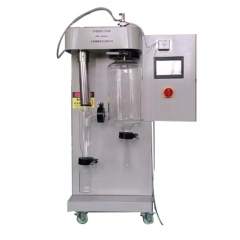
High quality 1.5L scale lab spray dryer equipment
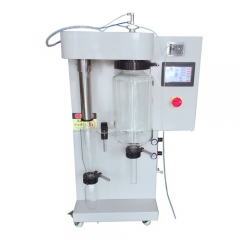
Lab scale spray dryer is suitable for the production of in universities, research institutes and food and pharmaceutical chemical enterprises.
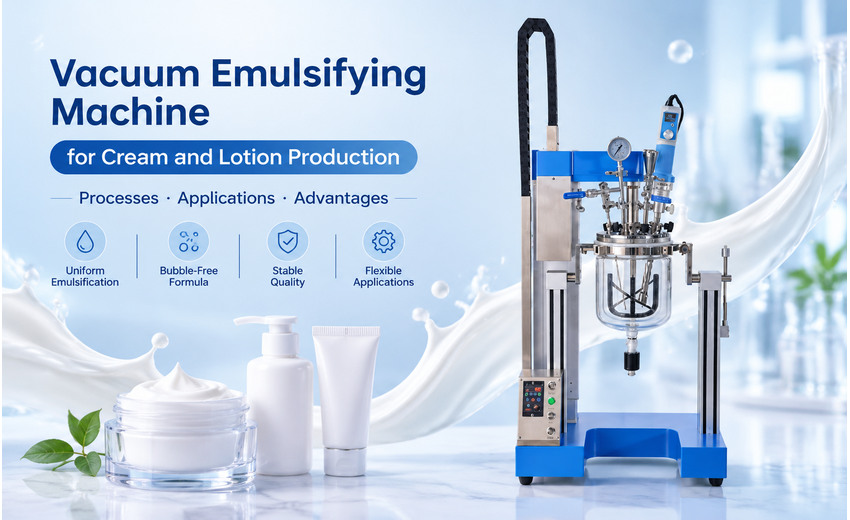
The Application of Vacuum Emulsifiers in the Production of Creams and Lotions: Processes, Applications, and Advantages In the cosmetics and personal c
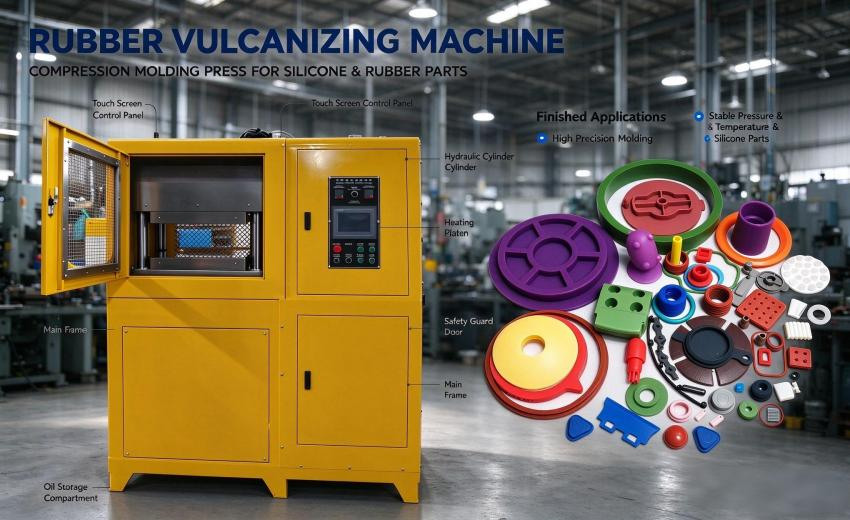
Applications of Hydraulic Vulcanizing Presses in Rubber, Plastics and Everyday Products A hydraulic vulcanizing press is often associated with rubber
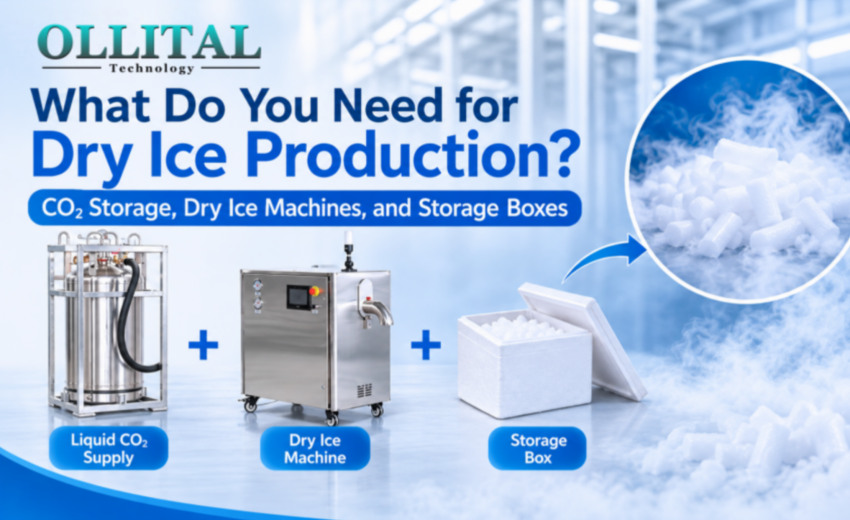
What Do You Need for Dry Ice Production? CO₂ Storage, Dry Ice Machines, and Storage Boxes Introduction Dry ice is widely used in industrial cleaning,
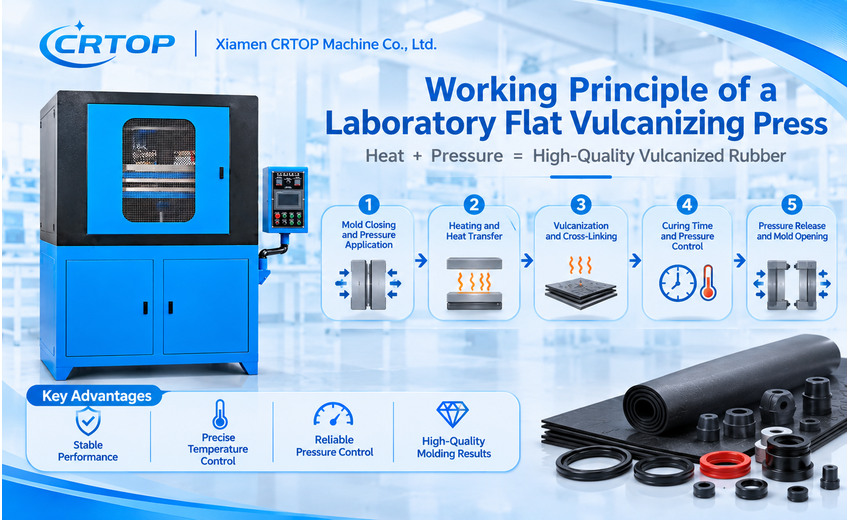
Working Principle of a Laboratory Flat Vulcanizing Press A laboratory flat vulcanizing press works by applying controlled heat and pressure to rubber
In the cosmetics and personal care industry, the production of high-quality creams and lotions requires efficient mixing, emulsification, and homogenization. Achieving a stable emulsion is essential for ensuring a smooth, uniform texture and long-term product stability. Vacuum emulsifiers are widely used in cosmetics manufacturing to blend oil and water phases, reduce droplet size, and create homogeneous, stable emulsions under controlled vacuum conditions. From face creams and body lotions to moisturizers and various other skincare products, vacuum emulsification equipment plays a vital role in modern cosmetic production.
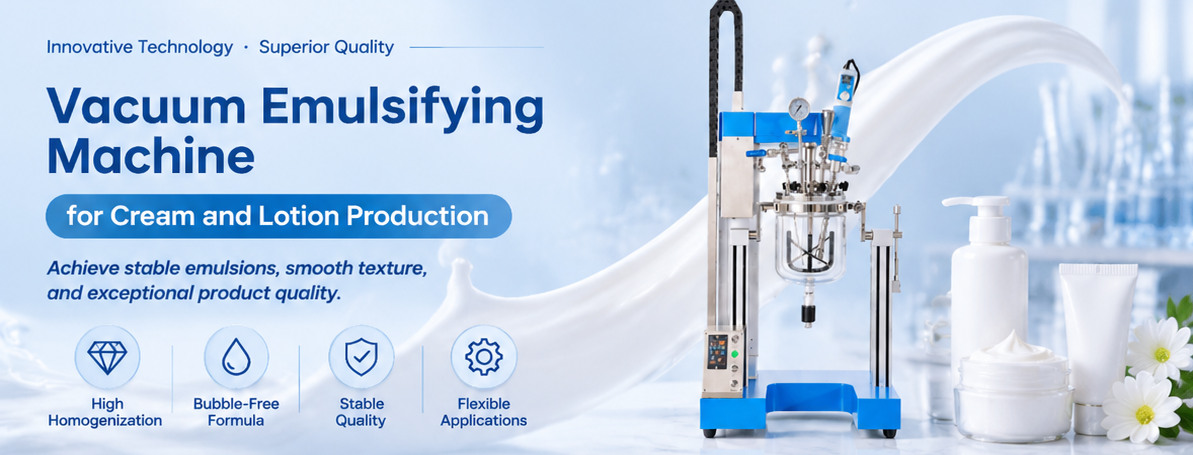
A vacuum emulsifier is a piece of equipment specifically designed for mixing, emulsifying, and homogenizing various raw materials under vacuum conditions. It typically consists of the following primary systems: 1. Mixing system: Ensures that oil-phase and water-phase ingredients are thoroughly blended, resulting in a more uniform distribution of materials. 2. High-speed homogenization system: Utilizes high-speed shearing to reduce droplet size, facilitating the creation of a fine, consistent emulsion. 3. Vacuum system: Removes air bubbles that are either generated or entrapped during the mixing and emulsification process. 4. Control system: Regulates processing parameters such as mixing speed and operating duration. 5. Vessel system: Serves as a container for the various raw materials during the emulsification process. Depending on the specific configuration, the equipment may also incorporate heating and cooling systems to control the temperature of the materials throughout production. By integrating mixing, homogenization, and vacuum processing, this equipment helps improve the consistency of product quality.
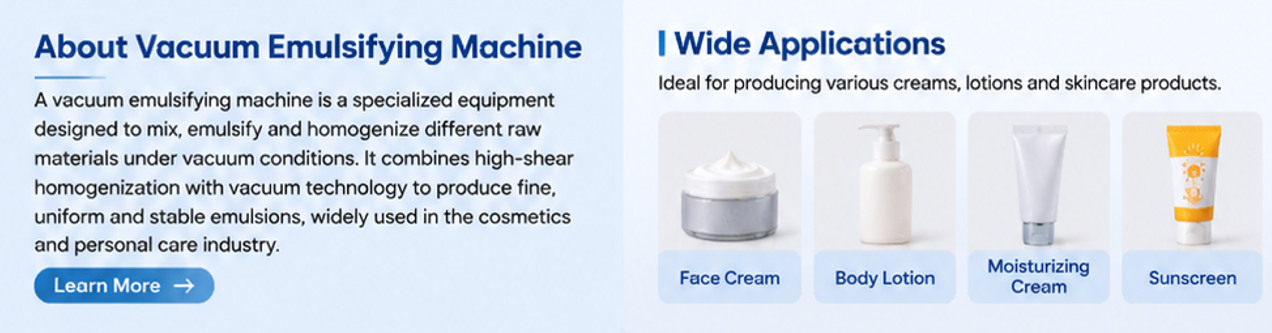
The production of creams and lotions typically involves the following processing stages. First: Preparation of the oil and water phases. Based on the product formulation, the raw materials for the oil and water phases are prepared separately. The oil phase generally consists of oils, waxes, and oil-soluble ingredients, while the water phase typically includes purified water, water-soluble humectants, and other additives. Depending on the production requirements, both phases may be heated to an appropriate processing temperature to facilitate subsequent mixing and emulsification.
Second: Mixing and initial emulsification. The oil and water phases are added to a mixing vessel according to the proportions specified in the formulation. A stirring system ensures the thorough blending of the raw materials, preparing the mixture for subsequent homogenization.
Third: High-speed homogenization. The homogenization system generates intense shear forces, breaking down the dispersed phase into smaller droplets.
This process enhances the uniformity of the emulsion and achieves the desired product texture. The homogenization speed and processing duration are adjusted based on the specific formulation and product requirements.
Fourth: Vacuum deaeration. During mixing and homogenization, air may become entrapped within the mixture, forming bubbles. A vacuum system removes this entrapped air, minimizing bubble formation and resulting in a smoother, more uniform final product.
Fifth: Cooling and post-processing. Once emulsification is complete, the product is cooled to the required temperature. Certain ingredients, such as fragrances or heat-sensitive active components, may be added at the appropriate stage according to the specific formulation. After passing quality inspection, the finished cream or lotion is ready for the subsequent filling process.
1. Improved Emulsification Uniformity: High-speed homogenization helps reduce the size of dispersed droplets, enhancing the uniformity of the emulsion.
2. Reduction of Air Bubbles: Vacuum processing facilitates the removal of entrapped air from the material, improving the appearance and texture of cosmetic products.
3. Refined Product Texture: The combination of stirring and homogenization ensures the production of creams and lotions with a smooth, consistent, and refined texture.
4. Versatility for Various Formulations: With appropriate equipment configuration and processing conditions, the unit can be used to produce both water-in-oil (W/O) and oil-in-water (O/W) emulsions.
5. Adjustable Processing Parameters: Key parameters—such as stirring speed, homogenization speed, vacuum level, and processing duration—can be tailored to meet the specific requirements of different formulations.
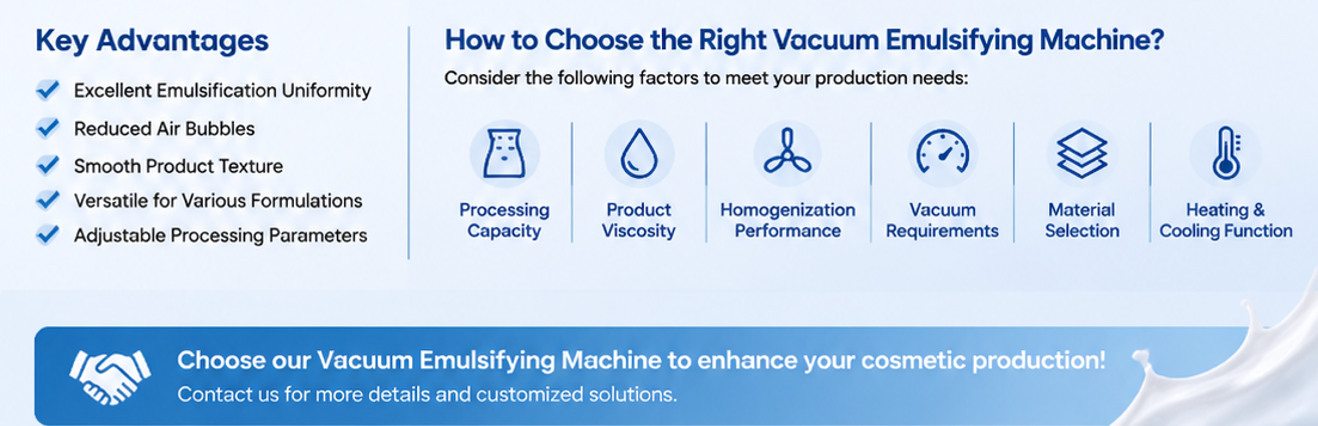
Selecting the appropriate vacuum emulsifier is crucial for ensuring production efficiency and product quality. Key factors to consider include:
1. Processing capacity: Laboratory-scale equipment is suitable for formulation R&D and small-batch trial production, whereas industrial-scale equipment is designed for large-scale manufacturing.
2. Product viscosity: Viscosity varies across different creams and lotions. High-viscosity creams may require higher stirring power, specialized agitator designs, and a compatible homogenization system.
3. Homogenization performance: Factors such as homogenizer power, rotational speed, processing duration, and the final emulsification result must be evaluated.
4. Vacuum requirements: The required vacuum level depends on the specific formulation and the product's requirements for deaeration (removal of air bubbles).
5. Material selection: Components that come into contact with the product are typically made of stainless steel, such as SUS304 or SUS316L. The specific material should be chosen based on compatibility with the raw materials and hygiene standards.
6. Heating and cooling capabilities: For formulations that require temperature control, equipment equipped with heating and cooling functions should be selected.
The vacuum emulsifier is an essential piece of equipment in the production of creams, lotions, and other cosmetic emulsified products. By integrating functions such as stirring, high-speed homogenization, and vacuum degassing, this device helps improve product uniformity, fineness, and production process consistency. Whether developing new skincare formulations or scaling up cosmetic production, selecting the appropriate vacuum emulsification equipment can help optimize manufacturing processes.



 online service
 +86 15960821529
 kevin@ollital.comkevinollital@gmail.com
 +86 15960821529
 +8615960821529


