
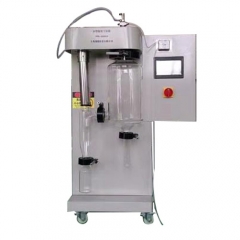
High quality 1.5L scale lab spray dryer equipment
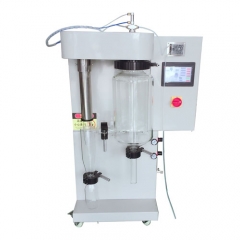
Lab scale spray dryer is suitable for the production of in universities, research institutes and food and pharmaceutical chemical enterprises.
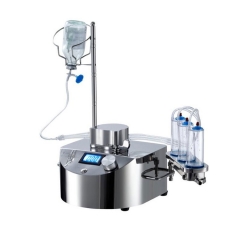
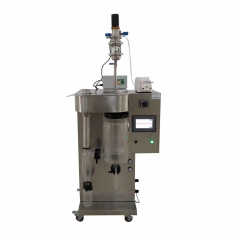
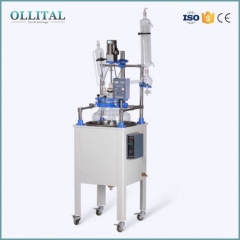
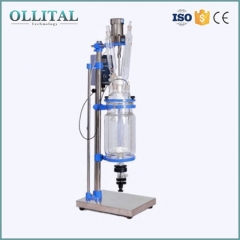
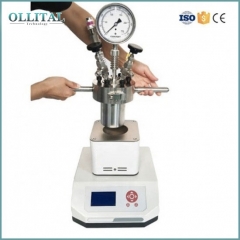

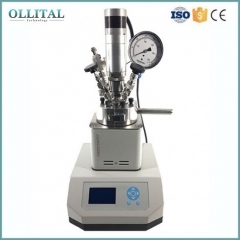
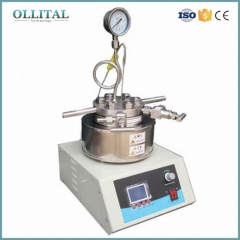
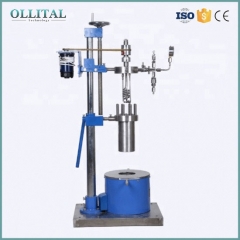
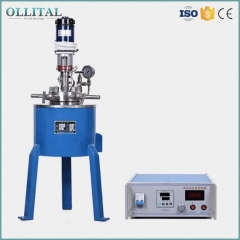
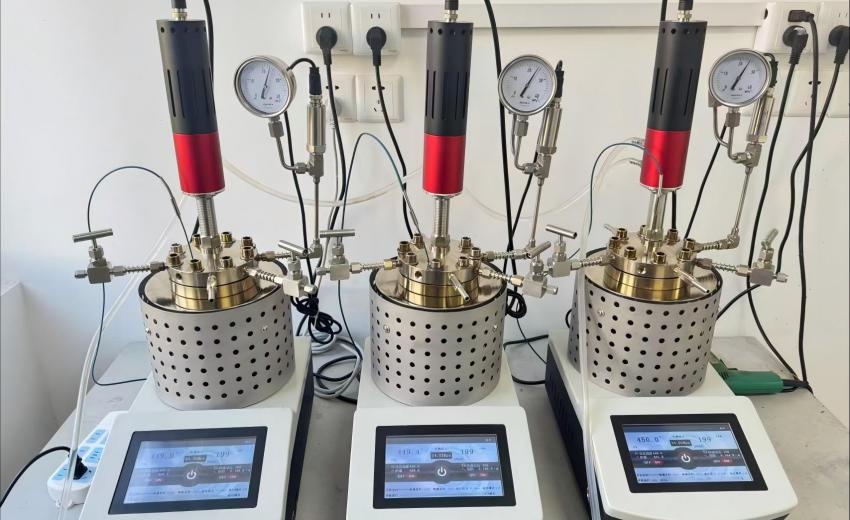
Chemical reactions are often carried out under conditions that cannot be achieved with an ordinary laboratory vessel. When a reaction requires elevate
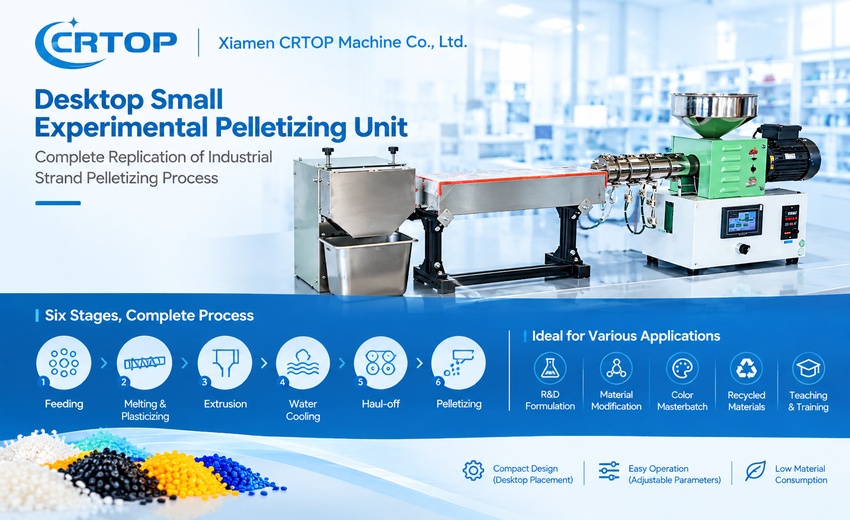
A granulator is a specialized equipment used to process plastic raw materials, modified materials or blended substances into uniform particles. It is

We are pleased to announce another milestone in our overseas market expansion: a batch of high-performance P8 dry ice cleaning machines has been succe
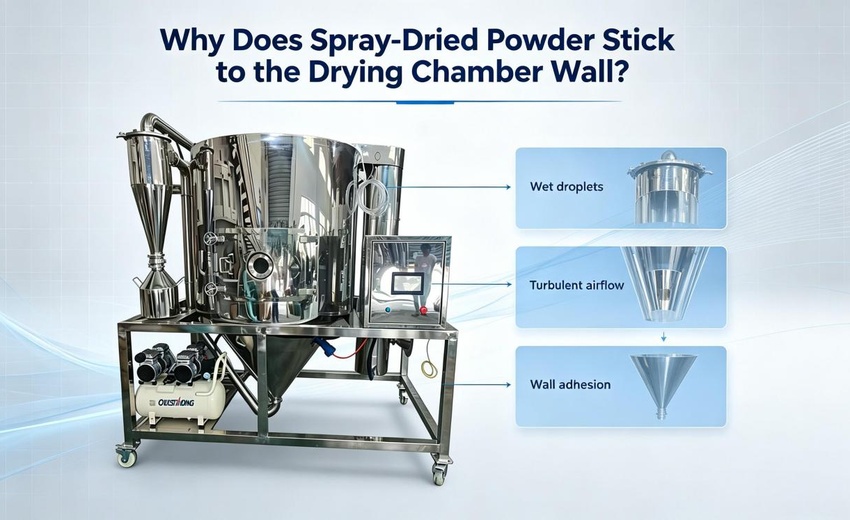
One of the most frustrating problems during spray drying is seeing a large amount of powder stuck to the wall of the drying chamber. The spray dryer m
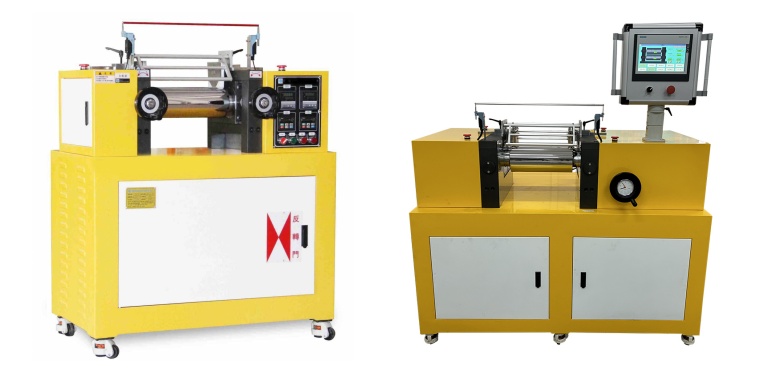
In the field of rubber and plastic processing, the open two-roll mill serves as the foundational equipment for material preparation. What distinguishes high-performance two-roll mills is not merely solid mechanical construction, but the precise working principle behind operation.
The core component of our two-roll mill consists of two parallel, counter-rotating rollers. The two rollers run at different speeds. Equipped with a precisely calibrated friction ratio (typically ranging from 1:1.2 to 1:1.5), differential rotation generates strong shearing force inside the roller nip gap. This fundamental force breaks filler agglomerates and realizes uniform compound mixing.
The processing procedure relies on coordinated physical effects as follows:
The speed difference between front and rear rollers creates powerful shear stress on materials passing through the adjustable nip gap. This effect stretches polymer molecular chains and breaks up filler agglomerates such as carbon black, enabling full dispersion inside the compound.
Raw materials are fed into the roller clearance and drawn inward by surface friction. Materials are subjected to heavy compression and deformation within the nip. Combined with precise temperature control, mechanical energy softens and plasticizes polymers to achieve even blending with various additives.
Each roller adopts a hollow structure for circulating steam or cooling water. This dual-purpose temperature control system guarantees stable processing conditions. Heat generated by continuous shear friction can be regulated accurately to maintain the optimal processing range, effectively avoiding polymer degradation caused by overheating and securing ideal material plasticity.
During mixing, operators can perform manual or automatic cutting and folding of the material sheet. Standard operations including material cutting and triangular folding allow all materials to repeatedly pass through the high-shear nip zone. It eliminates mixing dead zones and delivers fully homogeneous finished compound.
The stable performance of a two-roll mill depends on controllable core variables. Our equipment supports accurate adjustment of critical parameters:



 online service
 +86 15960821529
 kevin@ollital.comkevinollital@gmail.com
 +86 15960821529
 +8615960821529


