
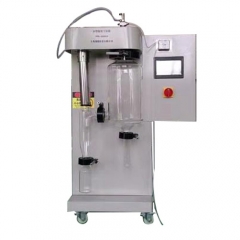
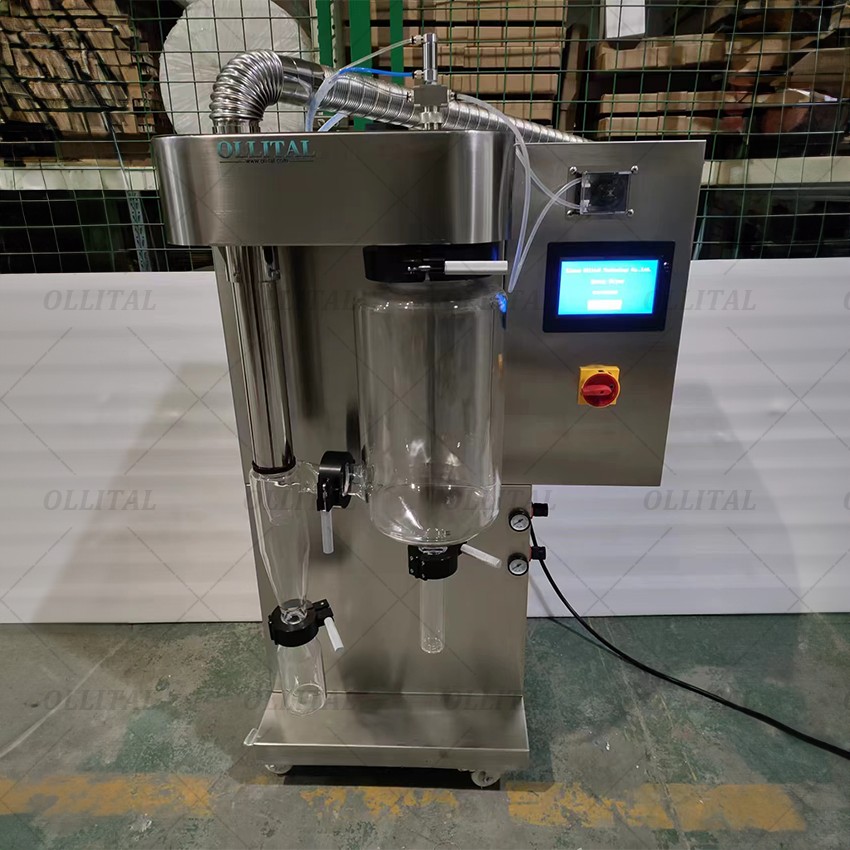
High quality 1.5L scale lab spray dryer equipment
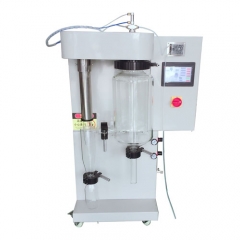
Lab scale spray dryer is suitable for the production of in universities, research institutes and food and pharmaceutical chemical enterprises.
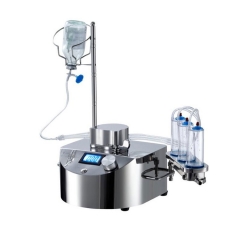
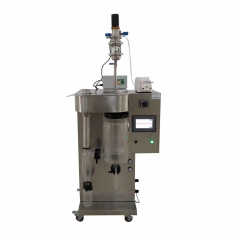
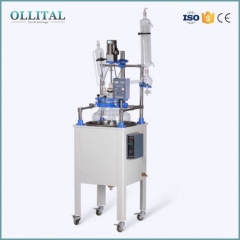
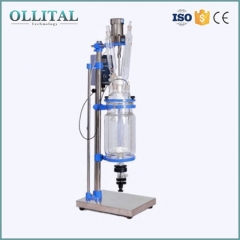
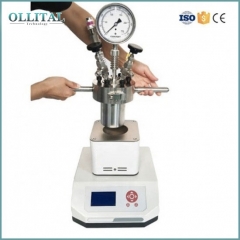
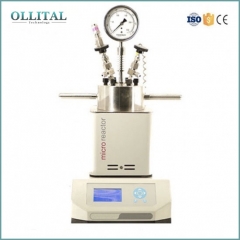
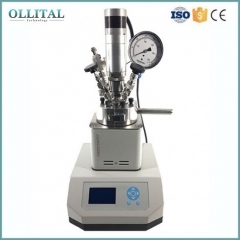
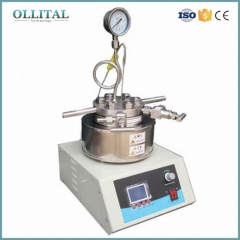
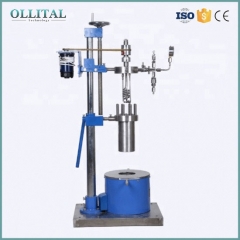
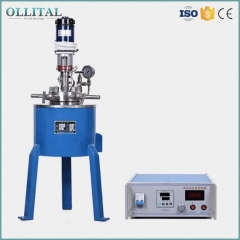
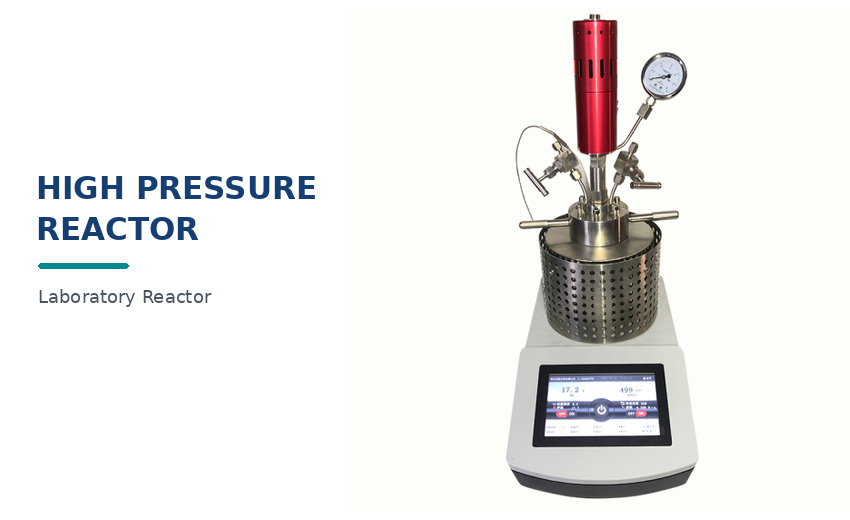
Choosing a high pressure reactor involves more than deciding the required vessel volume, working pressure, and temperature. The material in contact wi
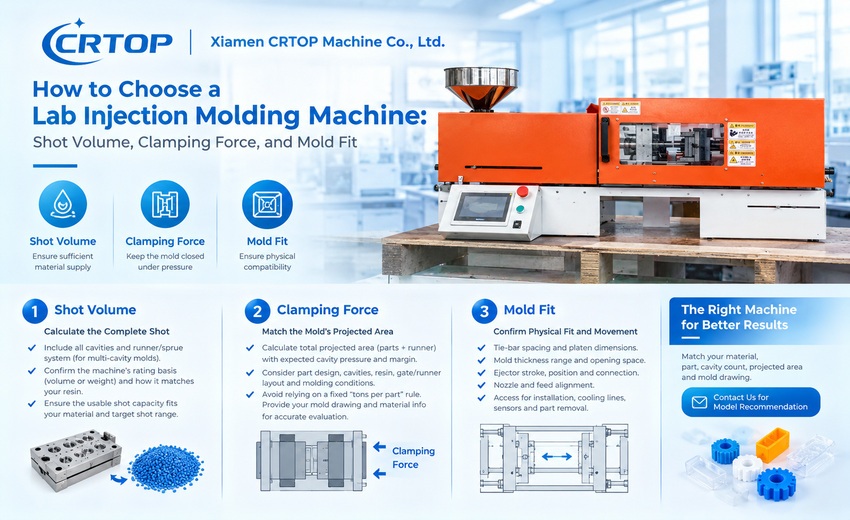
Choosing a laboratory desktop injection molding machine requires more than matching a machine’s clamping tonnage to the size of a plastic part. The in
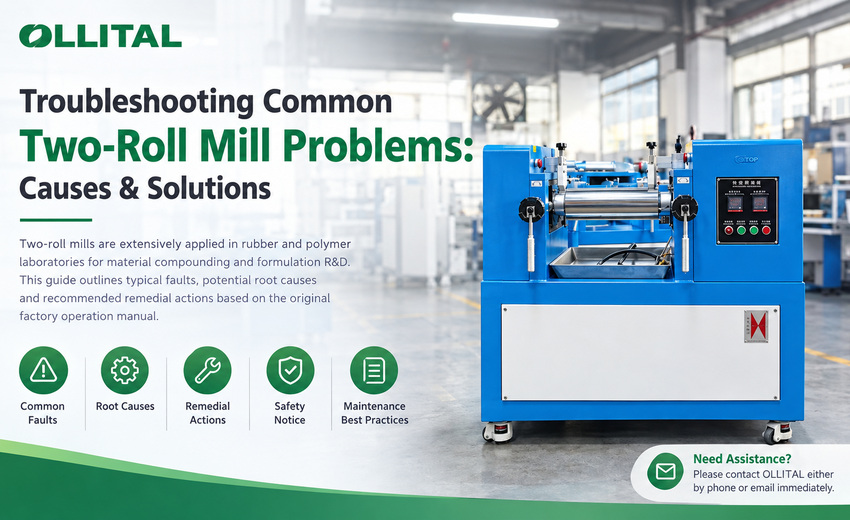
Two-roll mills are extensively applied in rubber and polymer laboratories for material compounding and formulation R&D. During daily operation, el
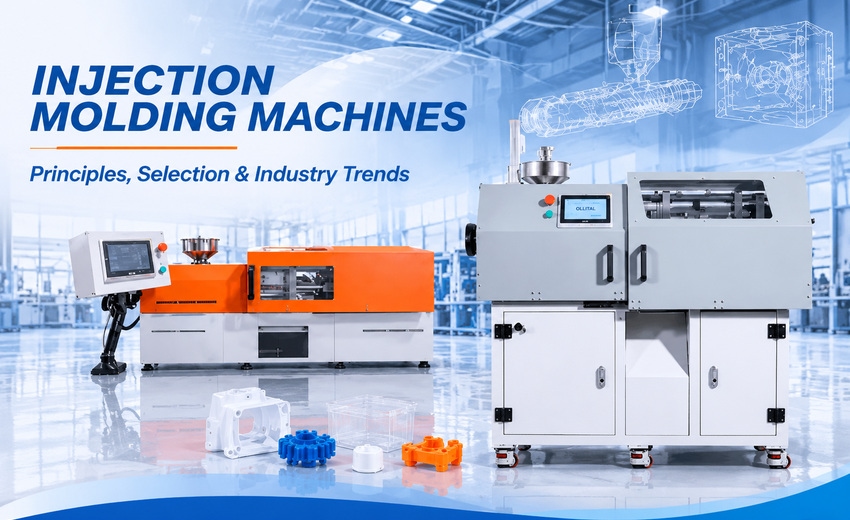
Injection molding machines are a widely used type of industrial equipment in the production of plastic products. They function primarily by heating an
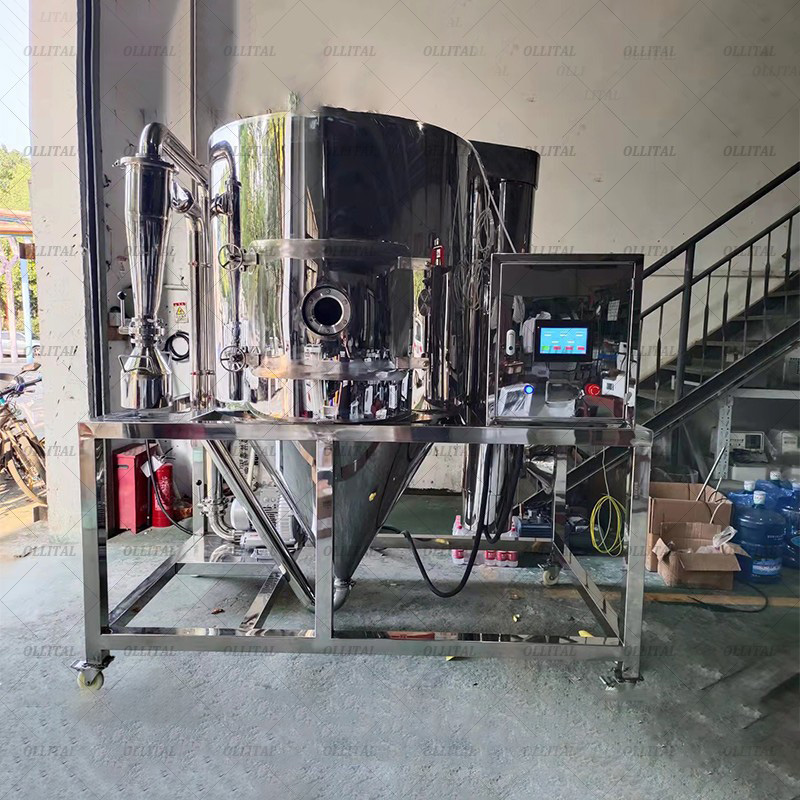
In modern industries, converting liquid materials into dry powders is often a critical step. A spray dryer is a highly efficient solution that enables this process. By atomizing a liquid feed into fine droplets and exposing them to hot air, moisture evaporates within seconds, leaving uniform, free-flowing powders. This method is especially suitable for heat-sensitive materials that cannot tolerate conventional drying.
A spray drying machine typically consists of four main components:
Feeding System – The liquid material is pumped into the machine.
Atomizer – Breaks the liquid into fine droplets for fast drying.
Drying Chamber – Hot air rapidly evaporates the moisture from droplets.
Collection System – Dry powder is captured using a cyclone separator or a glass collector.
The combination of fine atomization and hot airflow ensures consistent particle size and high product quality, making it widely used across laboratories and pilot plants.
Spray drying is a versatile technology applied in various sectors:
Food Industry: Milk powder, coffee extract, plant extracts.
Pharmaceutical Industry: Herbal extracts, antibiotics, excipients.
Chemical Industry: Resins, catalysts, pigments.
Laboratory Research: Small-scale experiments, product testing, or pilot production.
A lab spray dryer is particularly valuable for research because it delivers reproducible results, maintains material integrity, and allows precise control of drying parameters.
At Xiamen OLLITAL Technology Co., Ltd., our laboratory spray dryers are designed to meet diverse research and production needs:
Precise Temperature Control: Up to 350°C for heat-sensitive materials.
Adjustable Atomization: Ensures uniform particle size.
Moduar Design: Easy to clean and maintain.
Custom Configurations: Choice of stainless steel or borosilicate glass, PLC control, and safety protections.
Our equipment is suitable for small-batch R&D, pilot testing, and scalable experiments, delivering efficiency, accuracy, and reliable results in every run.
With over 20 years of experience in laboratory equipment manufacturing, OLLITAL offers not only advanced spray drying machines but also complete solutions for your laboratory and pilot-scale production. Our commitment to quality, innovation, and technical support ensures that researchers and engineers can rely on our equipment for consistent and reproducible outcomes.



 online service
 +86 15960821529
 kevin@ollital.comkevinollital@gmail.com
 +86 15960821529
 +8615960821529


