
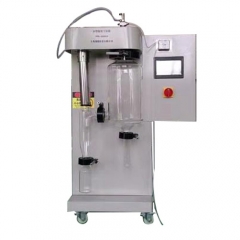
High quality 1.5L scale lab spray dryer equipment
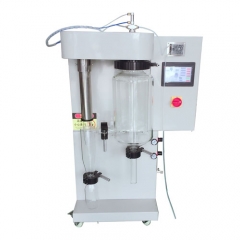
Lab scale spray dryer is suitable for the production of in universities, research institutes and food and pharmaceutical chemical enterprises.
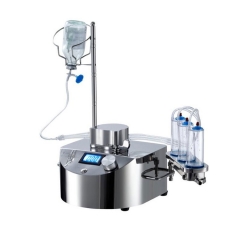
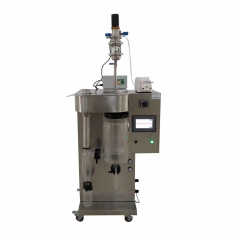
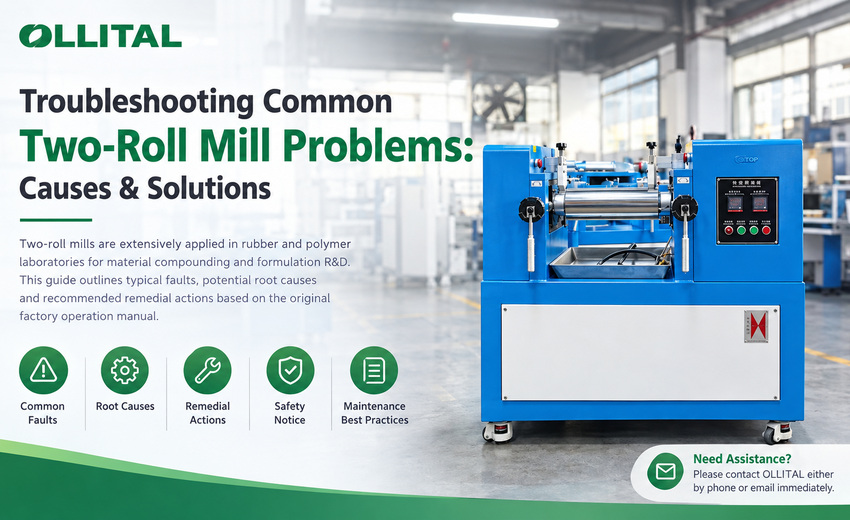
Two-roll mills are extensively applied in rubber and polymer laboratories for material compounding and formulation R&D. During daily operation, el
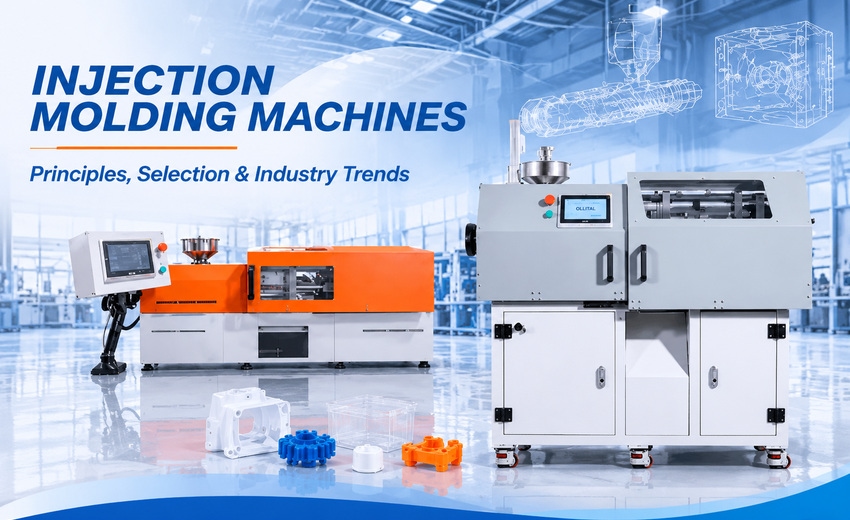
Injection molding machines are a widely used type of industrial equipment in the production of plastic products. They function primarily by heating an
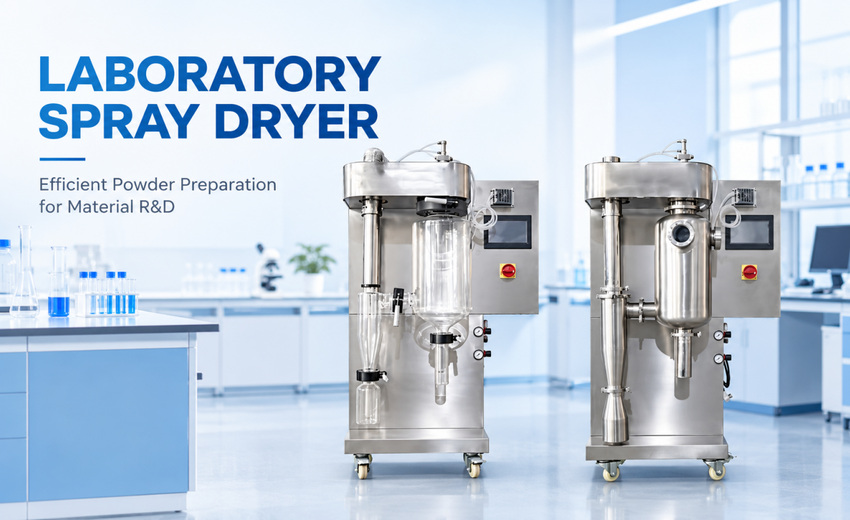
A liquid formulation can behave very differently after it becomes a powder. Solvent removal may change particle morphology, powder flowability, physic
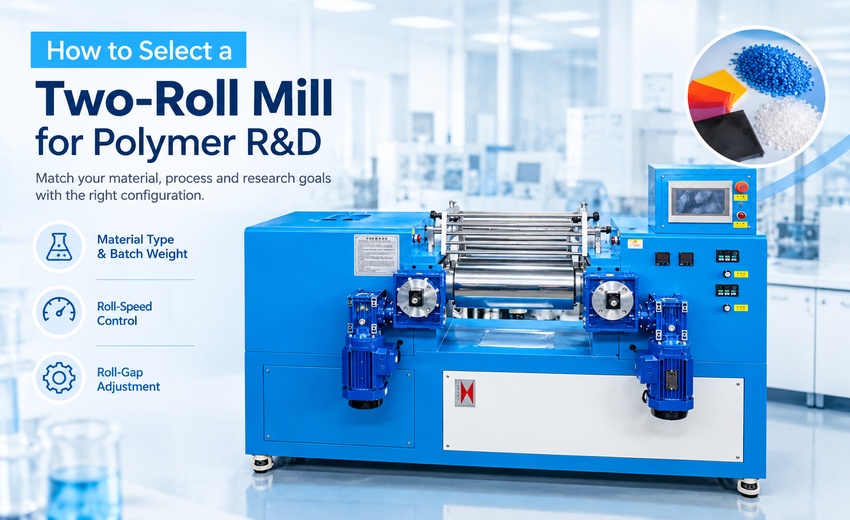
Selecting the right two-roll mill is essential for efficient and reliable polymer research and development. Different materials and experimental requi
Injection molding continues to dominate global production lines, shaping the products we use every day—from automotive components and medical devices to consumer electronics and household items. At the center of this highly efficient process is the injection molding machine, a piece of equipment that has become indispensable in large-scale manufacturing.
An injection molding machine is a system that heats, melts, injects, and forms thermoplastic materials into precise shapes using specially designed molds. The process is fast, repeatable, and ideal for high-volume production, which explains why industries worldwide rely on it for accuracy and cost efficiency.
Modern injection molding machines typically consist of three major sections:
1. The injection unit, which heats and melts the plastic granules before injecting the material with controlled pressure and speed.
2. The clamping unit, which keeps the mold securely closed during injection and cooling.
3. The control system, equipped with advanced PLC or touchscreen interfaces allowing operators to fine-tune parameters such as temperature, pressure, injection speed, and cycle time.
Today, both electric and hydraulic systems are available, with each offering advantages. Electric models are known for precision and energy savings, while hydraulic systems remain popular for heavy-duty applications requiring strong injection force.
To help laboratories, research centers, and small-batch manufacturers explore this technology, several compact and innovative models have emerged. For example, the OLLITAL Mini Injection Molding Machine offers a practical solution for universities and R&D labs thanks to its compact footprint and easy-to-use interface.
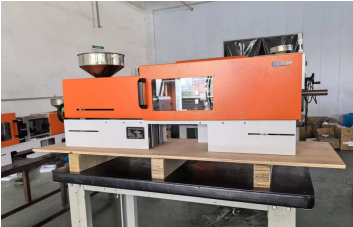
For users needing higher capacity and advanced temperature control, the OLT-XPM Series Bench-Top Injector provides multi-zone heating and stable injection performance suitable for engineering plastics.
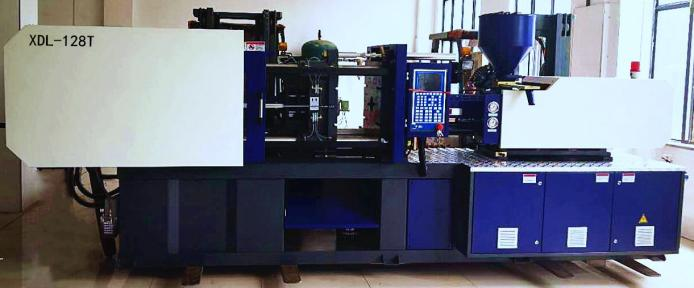
And for entry-level testing or material analysis, the Desk-Scale Semi-Automatic Injector is designed for rapid prototyping and formulation experiments.
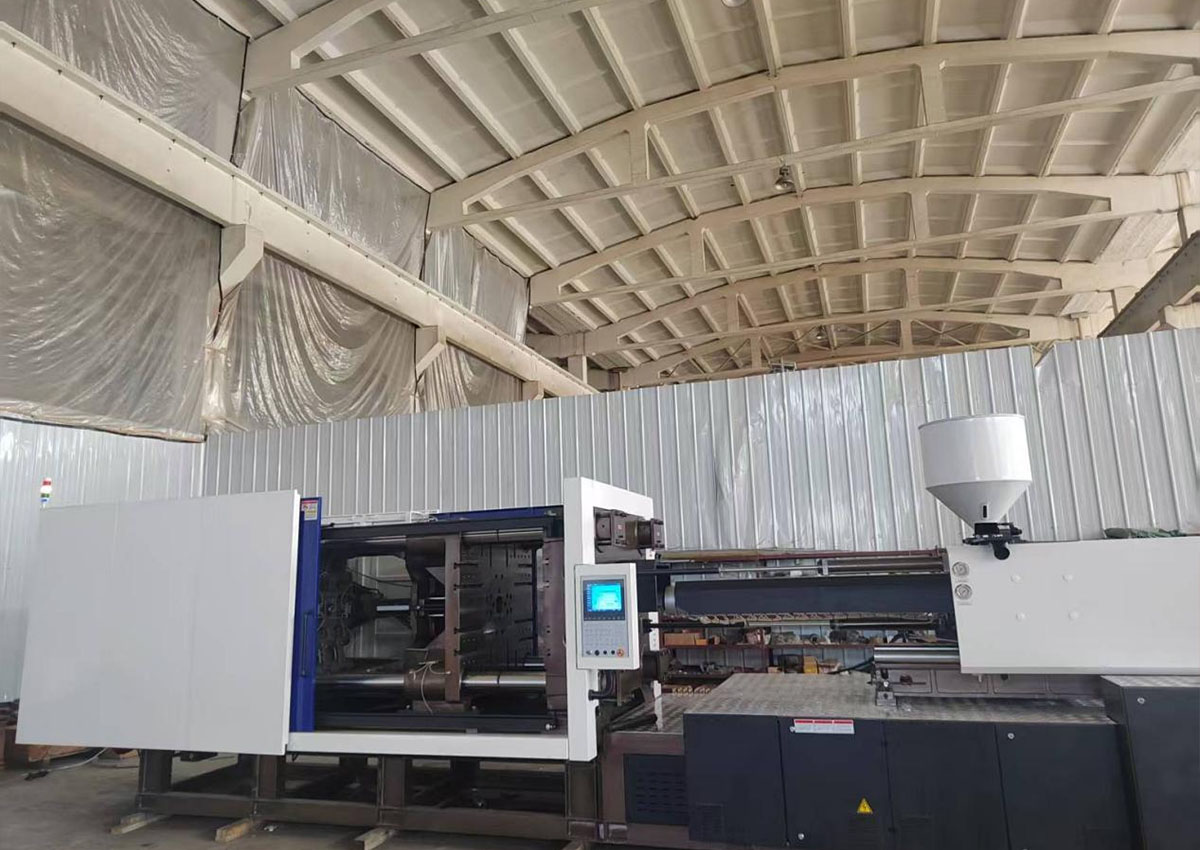
As global demand for customized components rises, injection molding machines continue to evolve, offering smarter controls, cleaner energy use, and more flexible automation. With these technological advancements, industries can expect even higher precision and stronger reliability—reinforcing injection molding as one of the world’s most trusted manufacturing methods.



 online service
 +86 15960821529
 kevin@ollital.comkevinollital@gmail.com
 +86 15960821529
 +8615960821529


